Review: The Tales of Hoffmann at the International Lyric Academy Festival
By Perry Tannenbaum

July 5, 2023, Charlotte, NC – Maybe Charlotte’s best-kept cultural secret ever, the 29th International Lyric Academy Summer Festival was officially announced by its partner, Opera Carolina, two days after it had actually begun! From as far away as Cape Town and Seoul, around 150 singers, teachers, accompanists, and conductors had converged on the Central Piedmont Community College to begin a transcontinental five-week program in the Queen City.
The Charlotte segment of this intensive training for young and emerging artists hopscotched from classrooms and rehearsal halls behind-the-scenes during ILA’s first week to CP’s grandest stage, the Dale F. Halton Theater, for the public performances marking the second week. Amid the hullabaloo, two of the College’s venues were discarded from the original festival announcement and poster art, Tate Recital Hall and the new Parr Center, adding to the impression of hurry, indecision, and feverish excitement during the ILA Festival’s opening nights.
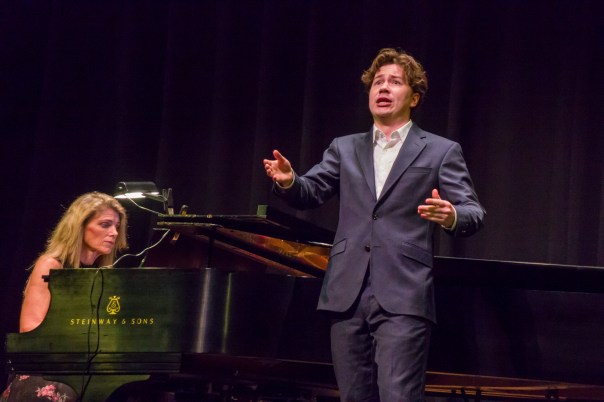
Yet the performances I’ve seen have gone marvelously well, showcasing a wide-range of vocal talent and experience, affording us tantalizing glimpses of youngsters taking the stage for the first time and emerging artists well-poised to embark on professional careers. The opening holiday weekend featured two Florilegium concerts offering a potpourri of solo arias; a Mozart Marathon that provided arias from Don Giovanni, Cosi fan Tutte, The Magic, and generous foretastes of La Nozze di Figaro; and a sampling of opera scenes, often spotlighting multiple singers and occasionally venturing into the realm of Broadway musical theatre. Of course, as the middle week unfolded, we could look at the pocket-sized Festival Program and piece together where the singers who were performing in concert would fit into the lineups for the two opera productions that would highlight the final week of this Festival’s US premiere, a semi-staged The Tales of Hoffmann bookending a pair of fully-staged presentations of The Marriage of Figaro.

As the veil lifted from the quality of talent we would witness in the ILA Festival’s climactic week of opera productions, an aura of mystery still lingered over what the upcoming “semi-staged” Tales of Hoffmann might look like. Would it borrow the scenery from Figaro, which is taking over the Halton for the next two nights? Would there be any props, costumes, or furnishings onstage? Will the main singers be holding scripts for the dialogue or scores for the music? Reading stage productions by Charlotte’s theatre companies, I know very well, have taken many shapes over the years, sometimes as austere as actors dressed devoutly in black-and-white, delivering their lines behind music stands. Directors who stick to that format are heartless brutes in my eyes.
Opera lovers across the Metrolina area – and across the Carolinas – can rest assured that the ILA Summer Festival is for real, dispenses with scripts and scores, and delivers the goods. James Meena, Opera Carolina’s artistic director, has revealed that the process of advertising, taking applications, and auditioning for spots at the festival – in six different cities – began last July. However new the template was to Meena and the US, it has obviously proved tried-and-true in Rome, where ILA was founded, and in Vicenza where it resides today.
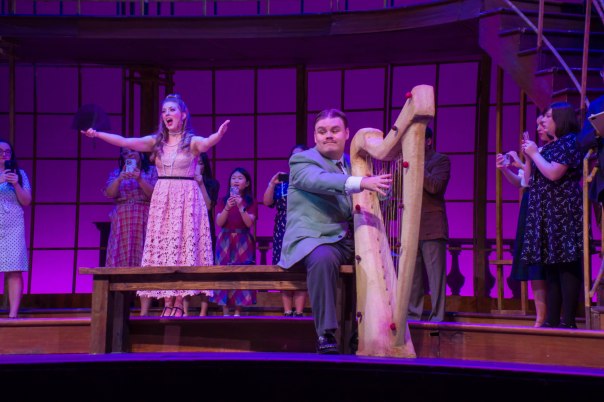
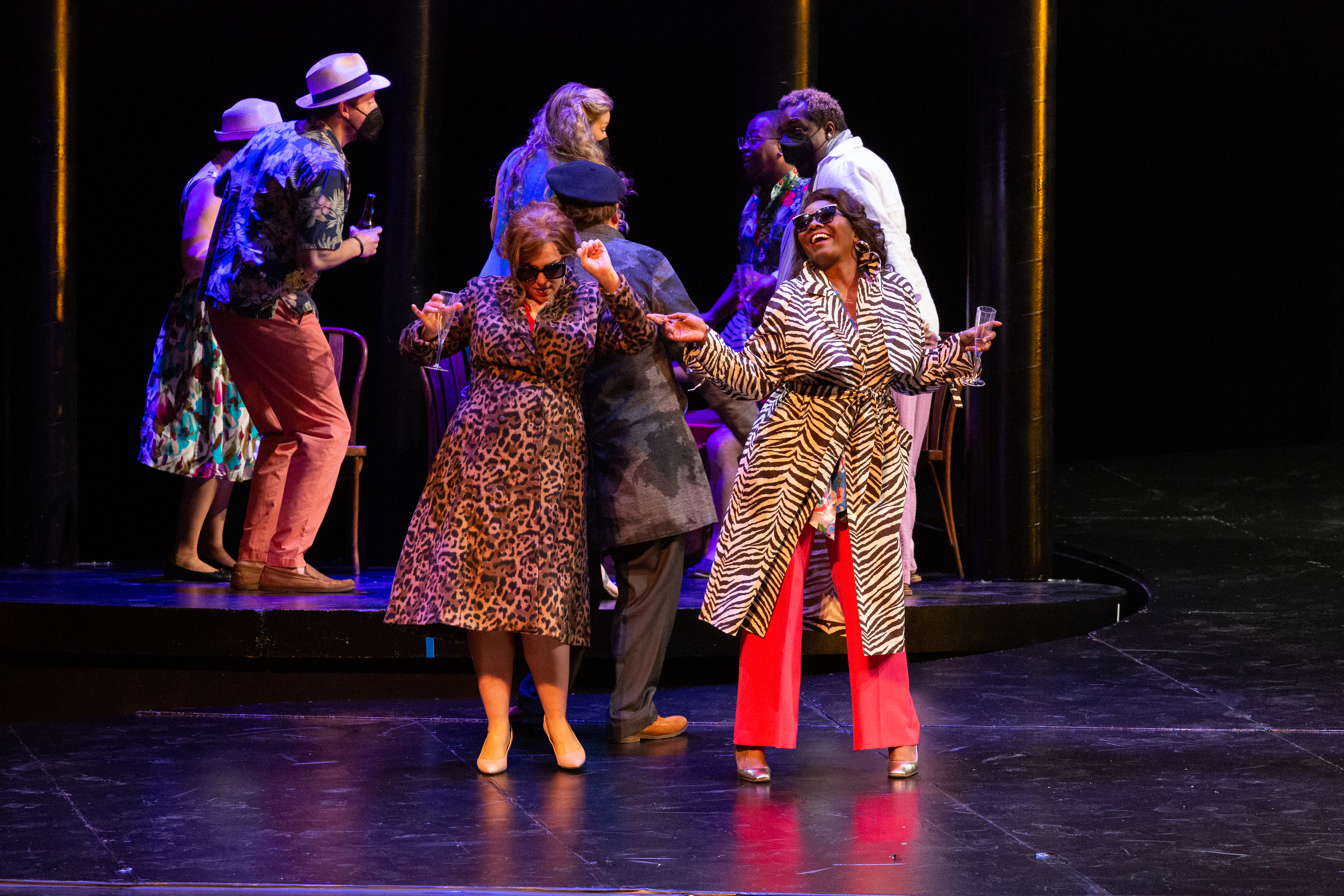
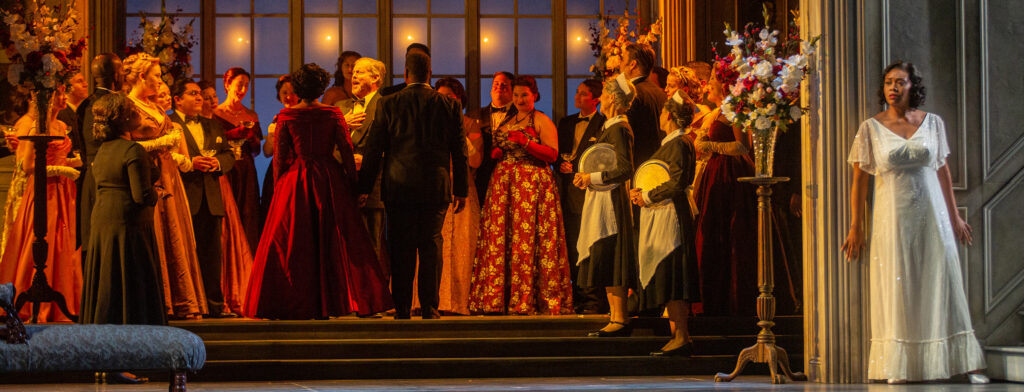
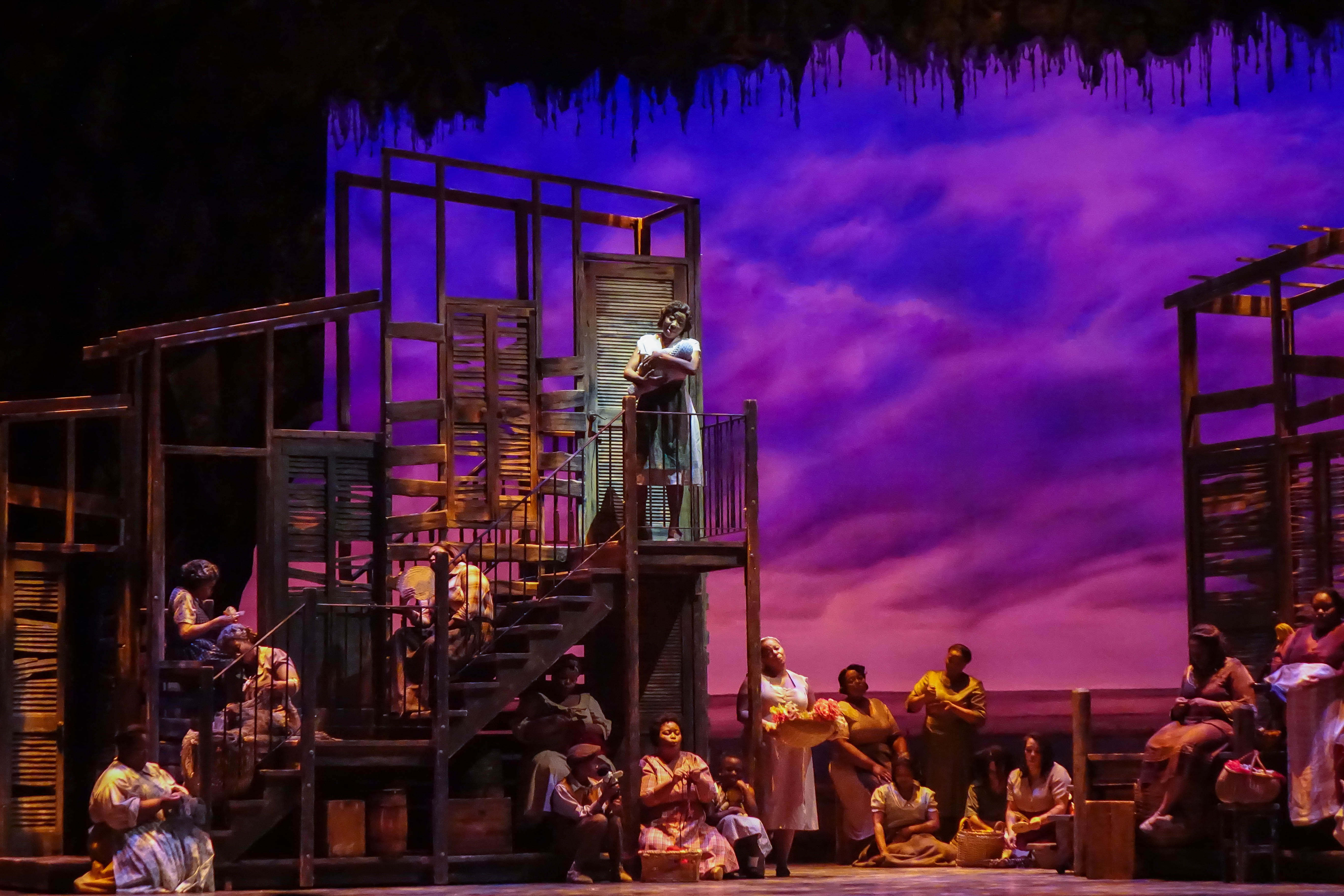
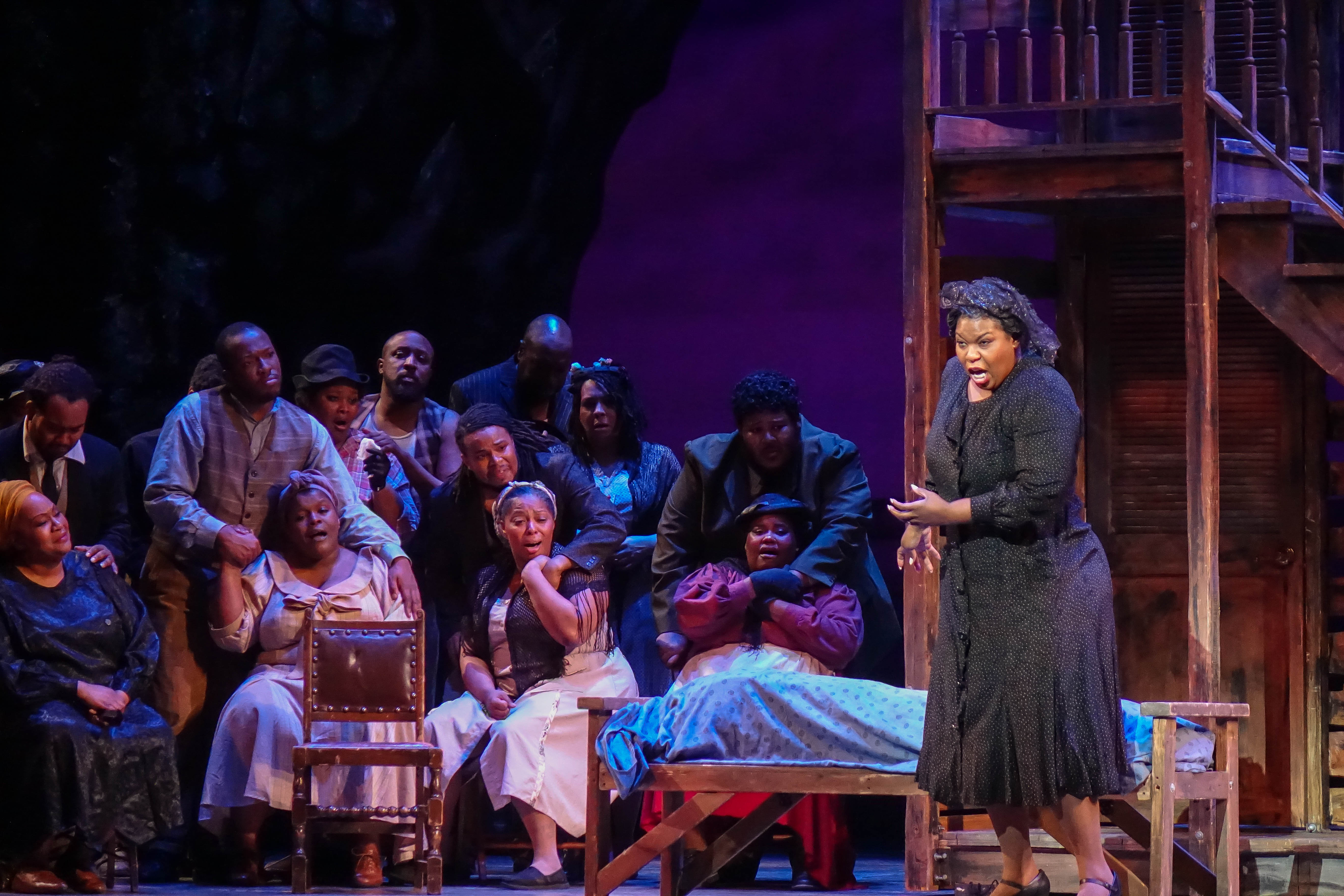
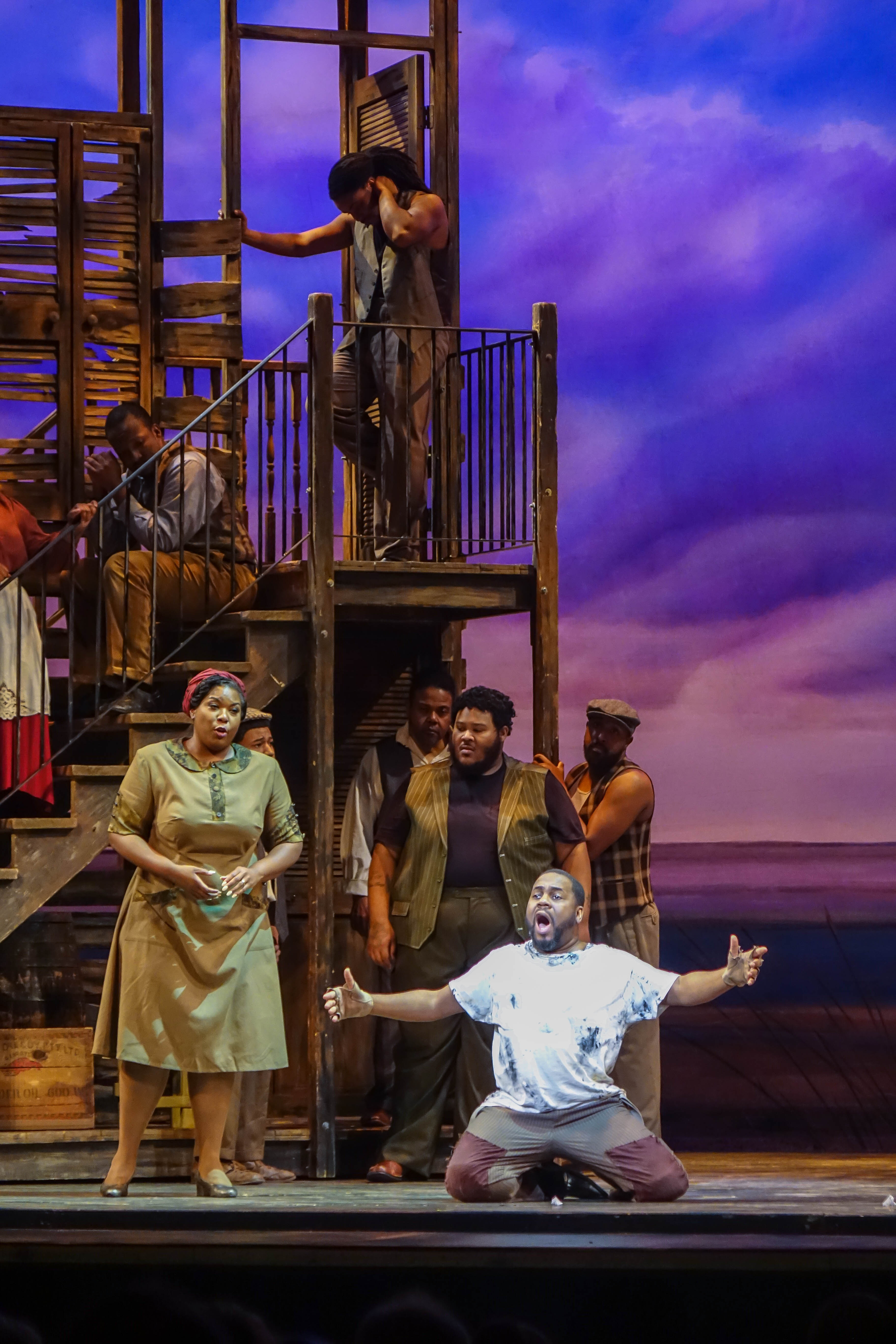
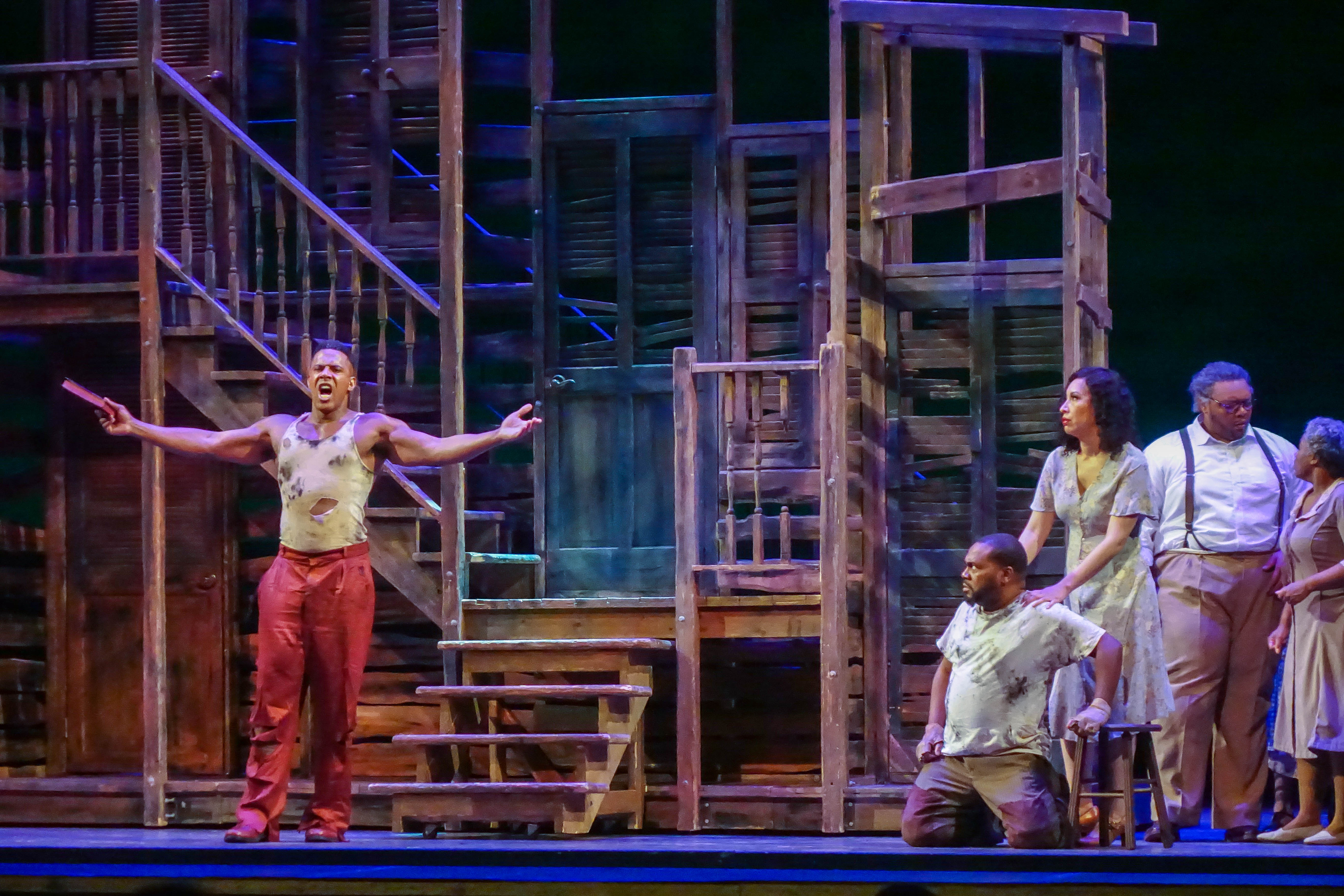
With Meena in the orchestra pit directing an ensemble of at least 20 musicians, and Peter Boon Koh stage directing a cast of 25 actors and choristers, the production looked very polished and not at all bare-boned. Koh deftly had most of the players in modern dress, many of them sporting cellphones in the crowd scenes in Acts 1 and 3. When Olympia winds down, soprano Amber Romero as the life-size automaton who enchants Hoffmann droops forward as usual, but instead of winding her back up with a conspicuous key, tenor Ethan Stinson as dollmaker Spallanzani simply waves a remote control at her while seated behind his garish cut-rate harp.

Meena and Koh have trimmed the opera, which runs between 130 and 140 minutes on recordings, to a sleek 90 minutes, cutting the Prologue and thus depriving South African tenor Luvo Maranti as Hoffmann of his most winsome aria, detailing the legend of Kleinzach, the hunchbacked court jester. We go straight into his misadventures with three iconic sopranos, Huiying Chen as the frail Antonia following Romero, and Ruijing Guo bringing ruination to Hoffmann as femme-fatale courtesan Giulietta. All of these voices exceeded expectations, but the most astonishing were Maranti, Romero, and baritone Zhenpang Zhang who slithered across the stage in three demonic roles as Hoffman’s perennial nemesis, mad scientist Coppelius, quack Doctor Miracle, and – most menacingly – the sorcerer Dappertutto.

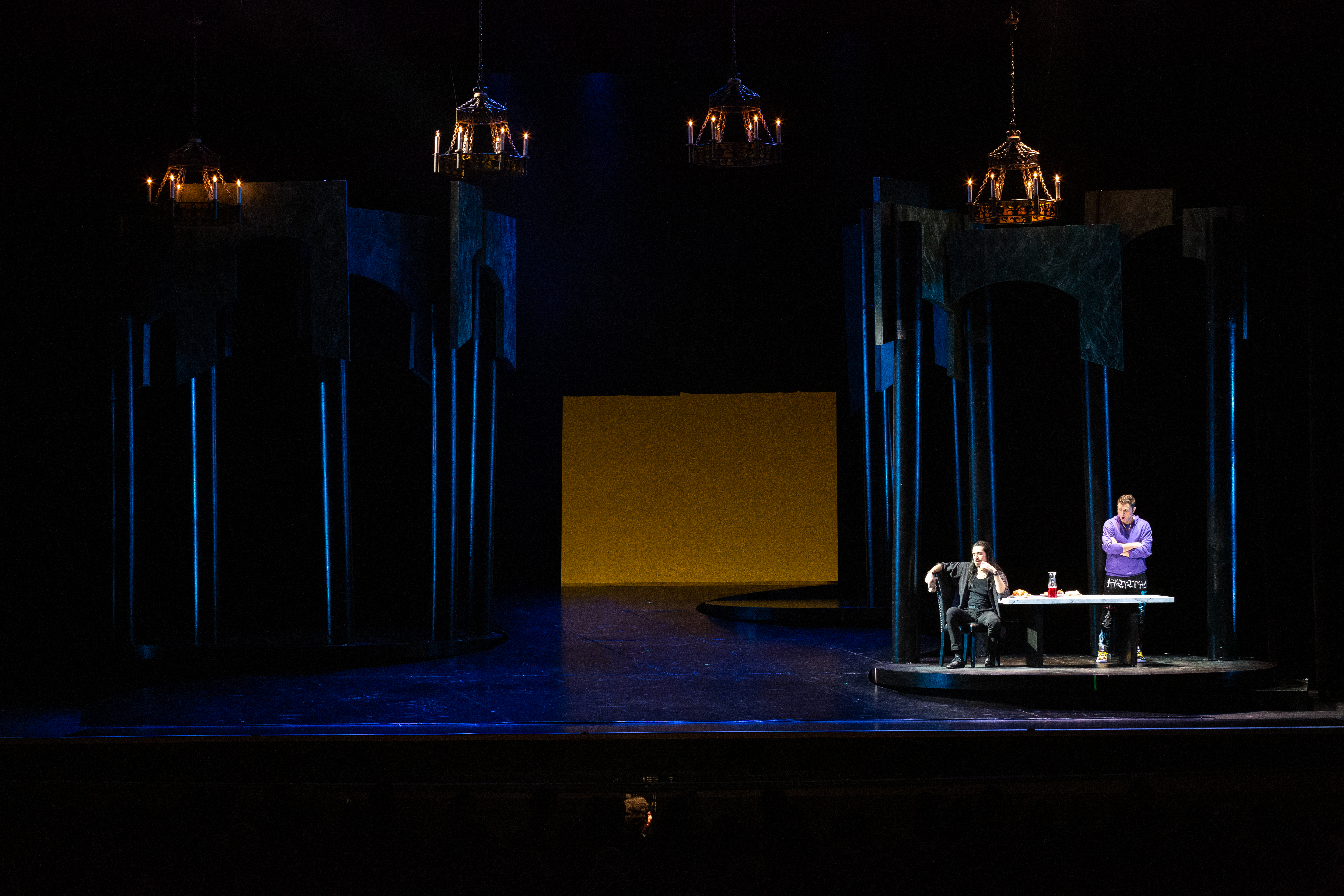
The excellence did not stop there, for as Stinson was performing his comical exploits as the devious dollmaker, tenor Jonathan White was beginning his medley of comical turns as his servant Cochenille, culminating in his Act 2 showstopper as Frantz, the cruel and possessive Crespel’s blissfully deaf old servant. The skeletal scenery borrowed from Figaro has a winding staircase leading gracefully upwards to a balcony level, where the portrait of Antonia’s mother can come to life and the temptress Giulietta can begin her imperious and bewitching descent. Supertitles are shown on TV monitors flanking the stage, amply sized so your neck gets a good workout keeping up with the French.
With ticket prices topping out at $35, productions like this and the upcoming Figaro are as accessible as they are irresistible. The US festival concludes on Saturday night with the encore performance of the Offenbach after two consecutive nights of fully-staged Mozart at the same prices. For those who prefer the Broadway style, there’s a Saturday matinee, With a Song in My Heart, paying tribute to Richard Rodgers. Then ILA 29 takes flight to Vicenza, near Venice and Verona, for an additional two weeks of training and performances. Surely, Halton will be more crammed with young and old operagoers in years to come as the ILA Summer Festival continues to grow and word-of-mouth proclaims its high quality. Like Spoleto Festival USA, it’s another great coup for the Carolinas.











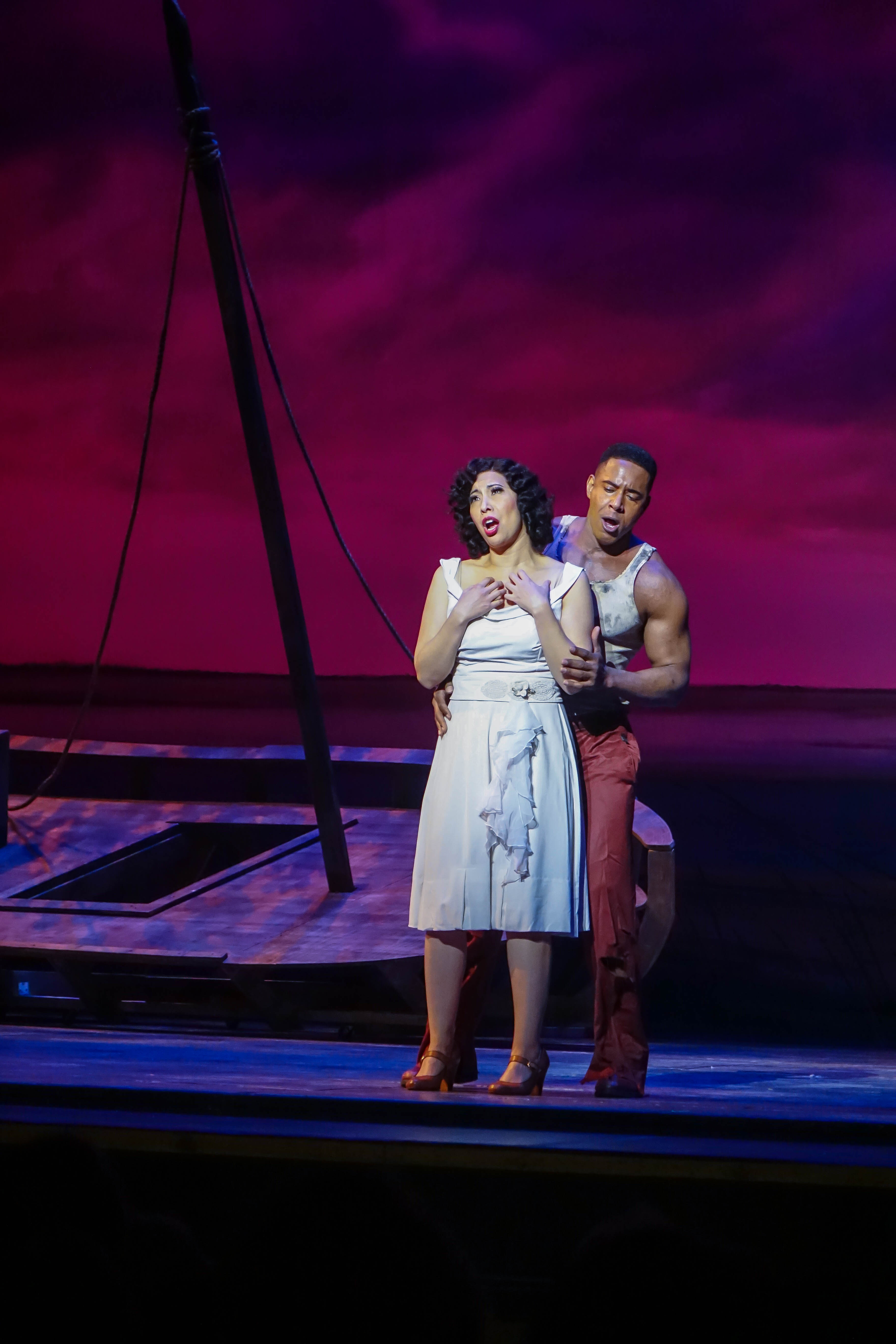

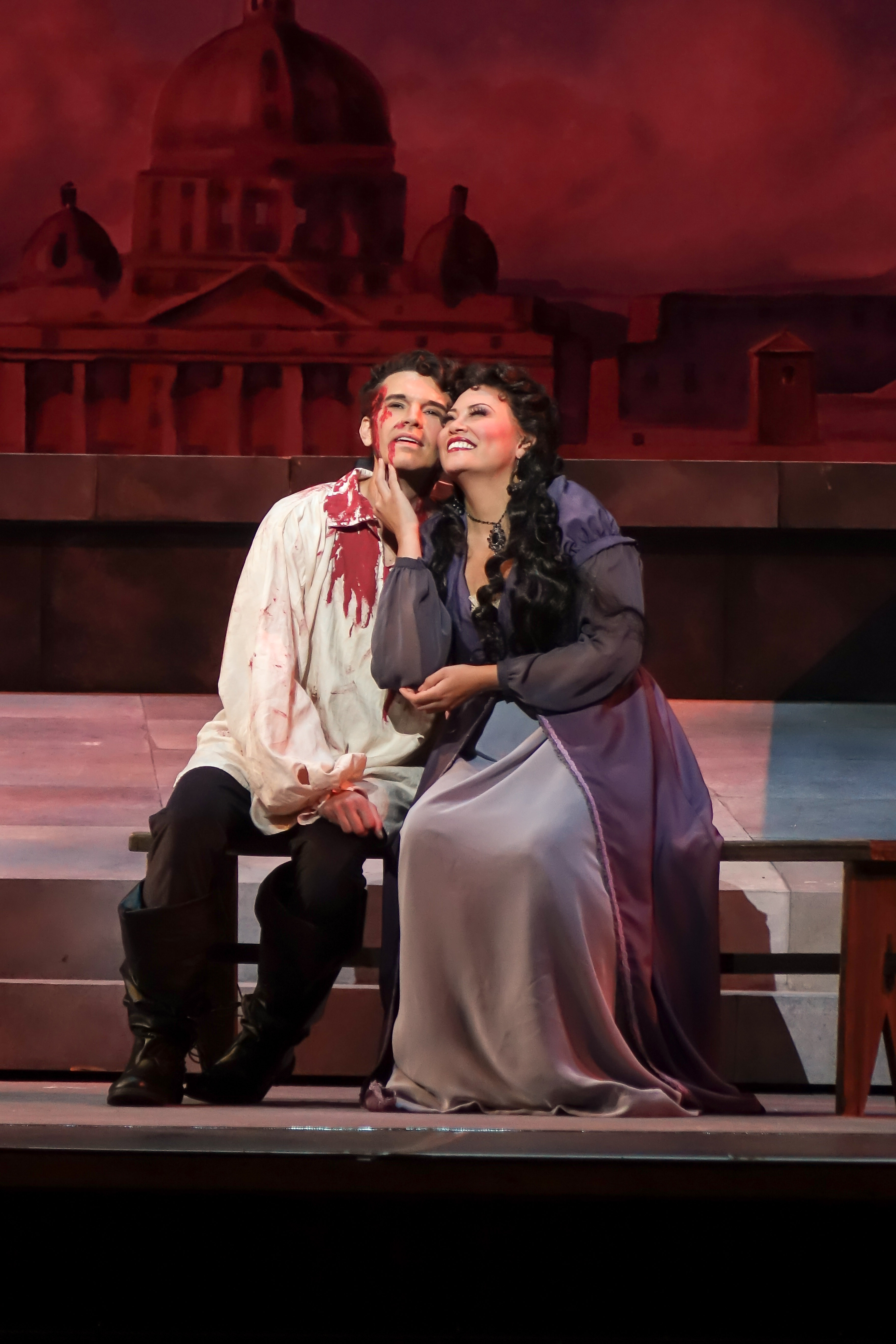

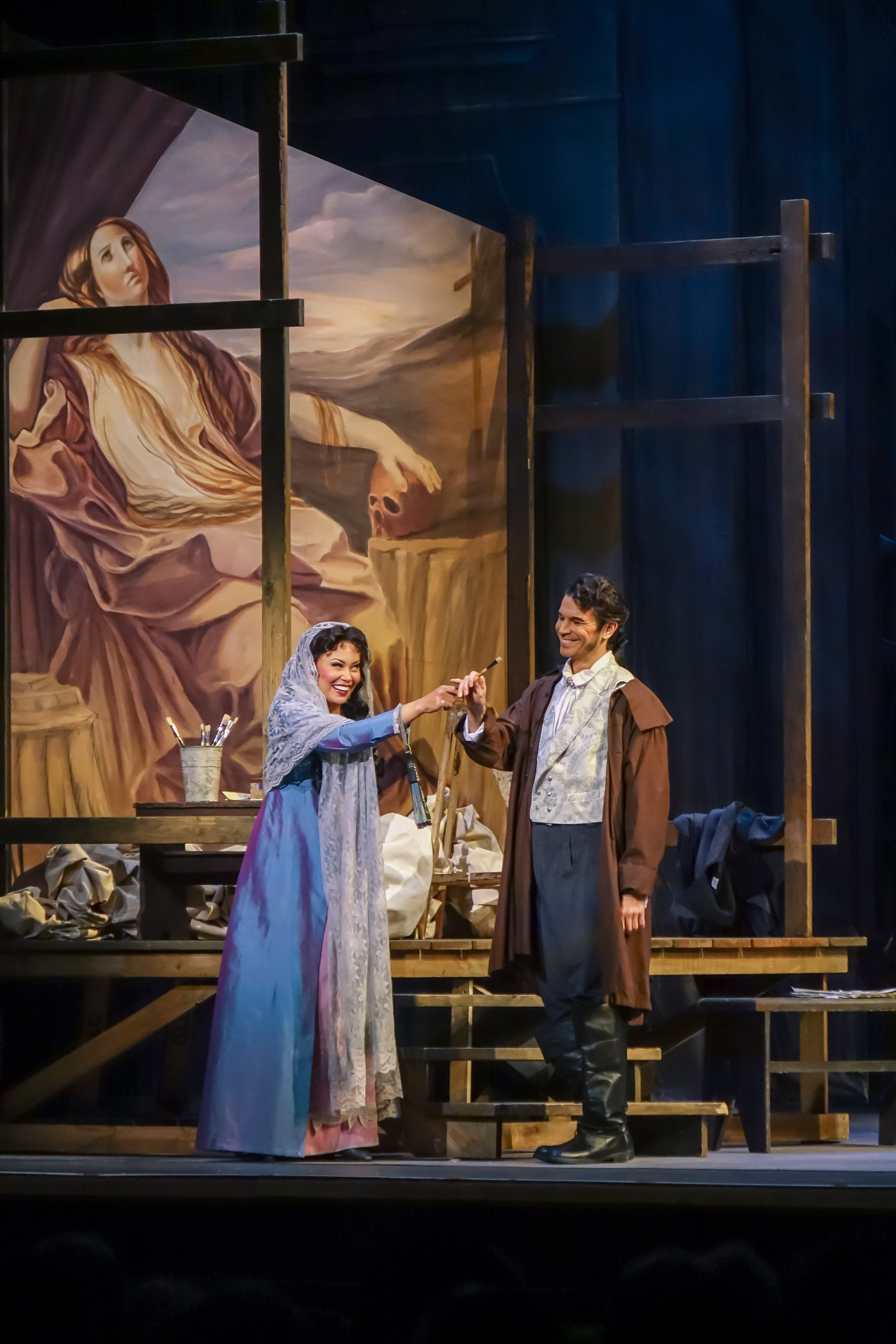
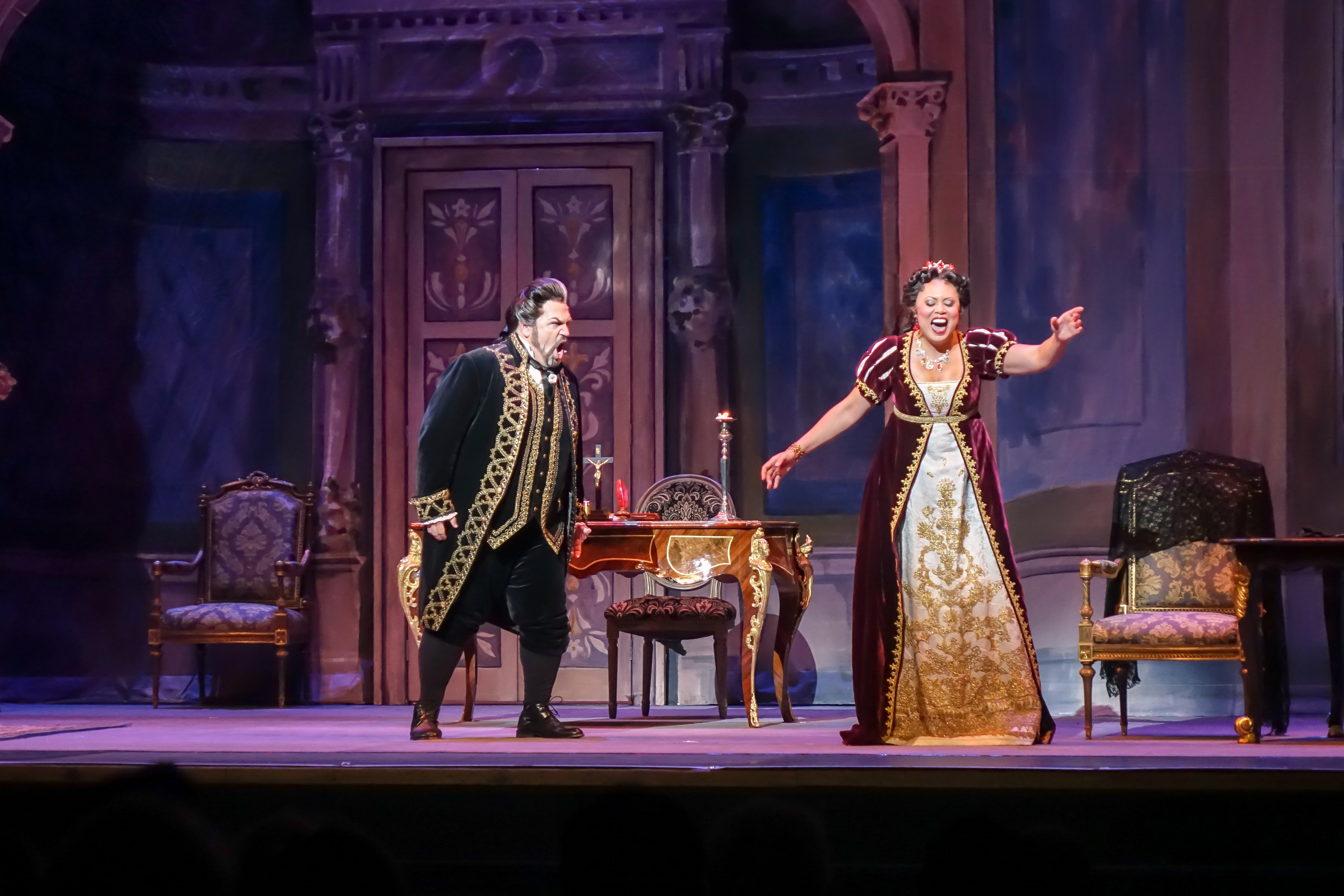 Beyond having doubted her true love’s fidelity, there was so much more for Tosca to regret now. In singing the famous “Vissi d’arte” aria before nodding her consent to Scarpia, Cambridge drew upon all the additional anguish Puccini had written for her. All of the art she had lived for, all of her passionate love, all her charitable deeds, and all her fervent prayers have been for naught in the face of this perverted monster. God has shortchanged her. With all the grim delight that Condy took in tormenting her in their crackling duets, it certainly seemed so. But Marvel was no less cold-blooded in staging “Tosca’s kiss,” where the diva settles all her debts with the Baron and appends a chilling religious ceremony.

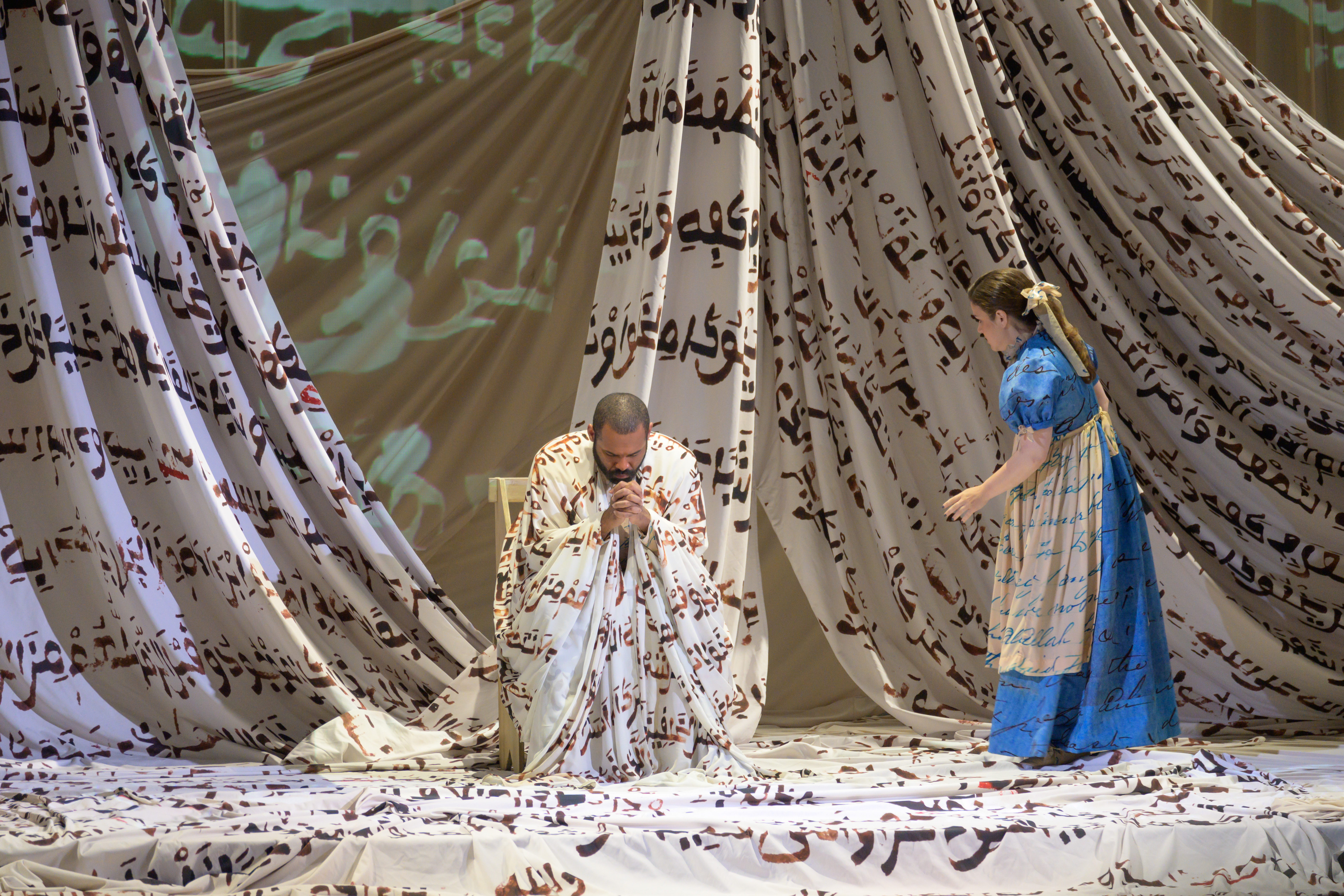


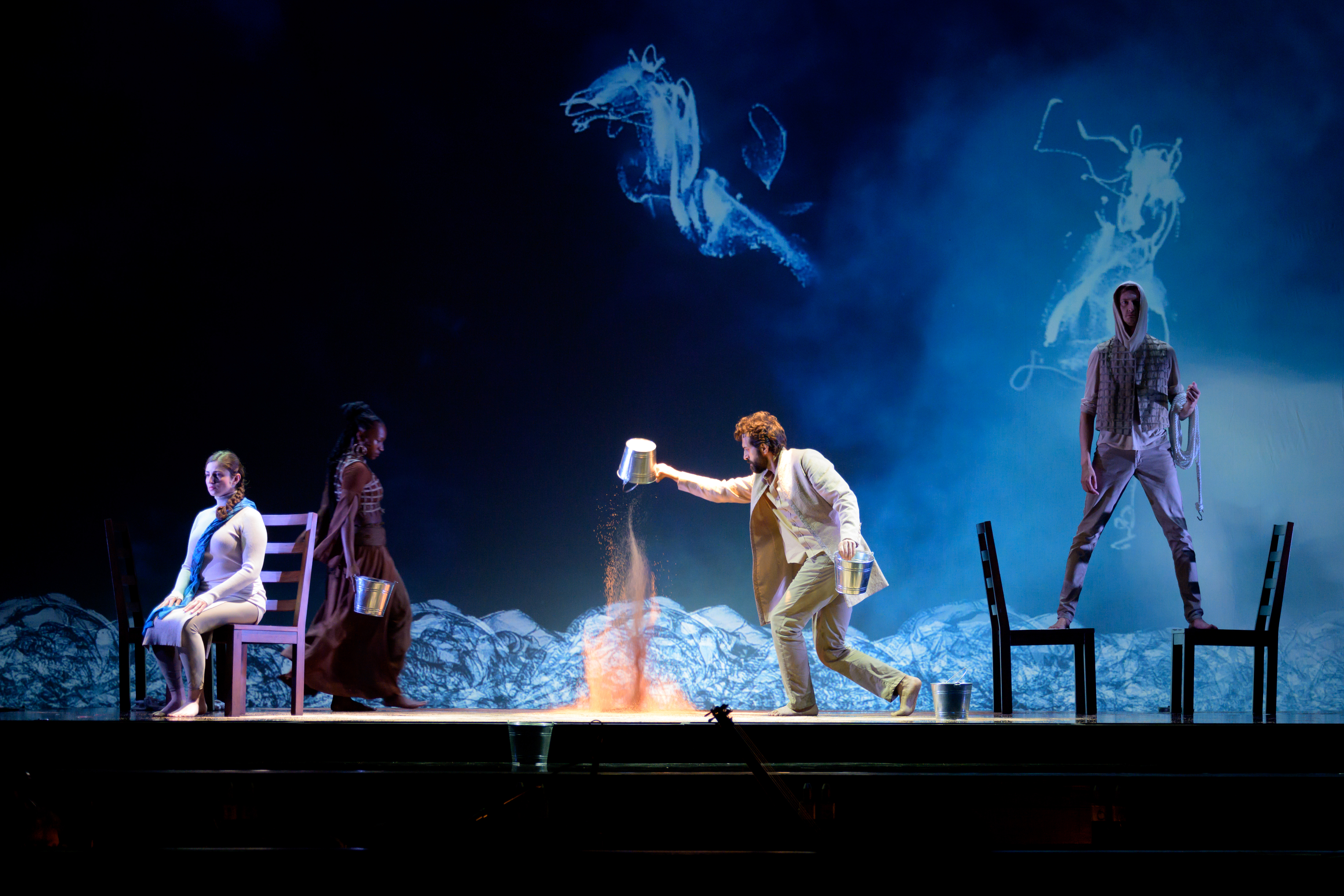

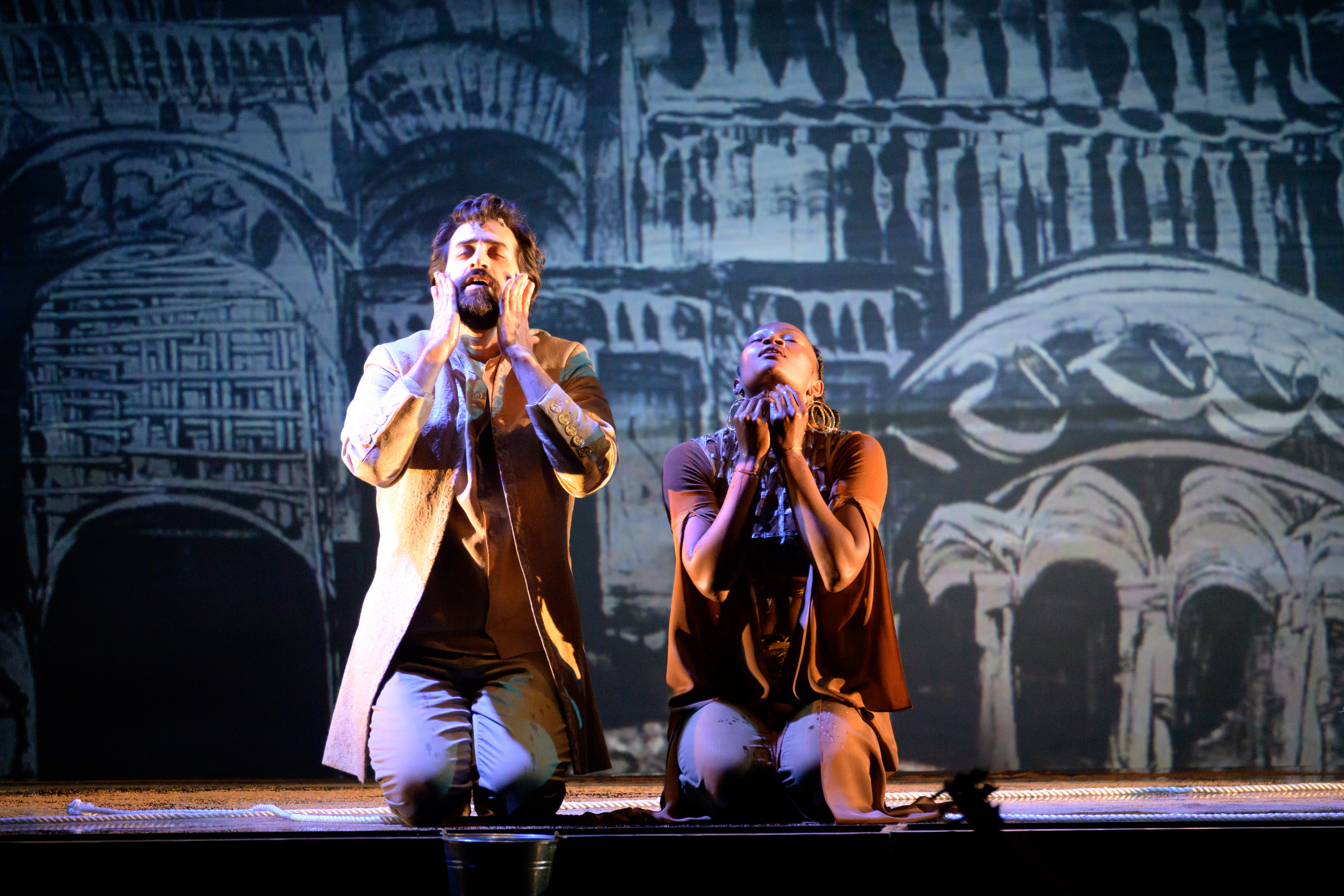
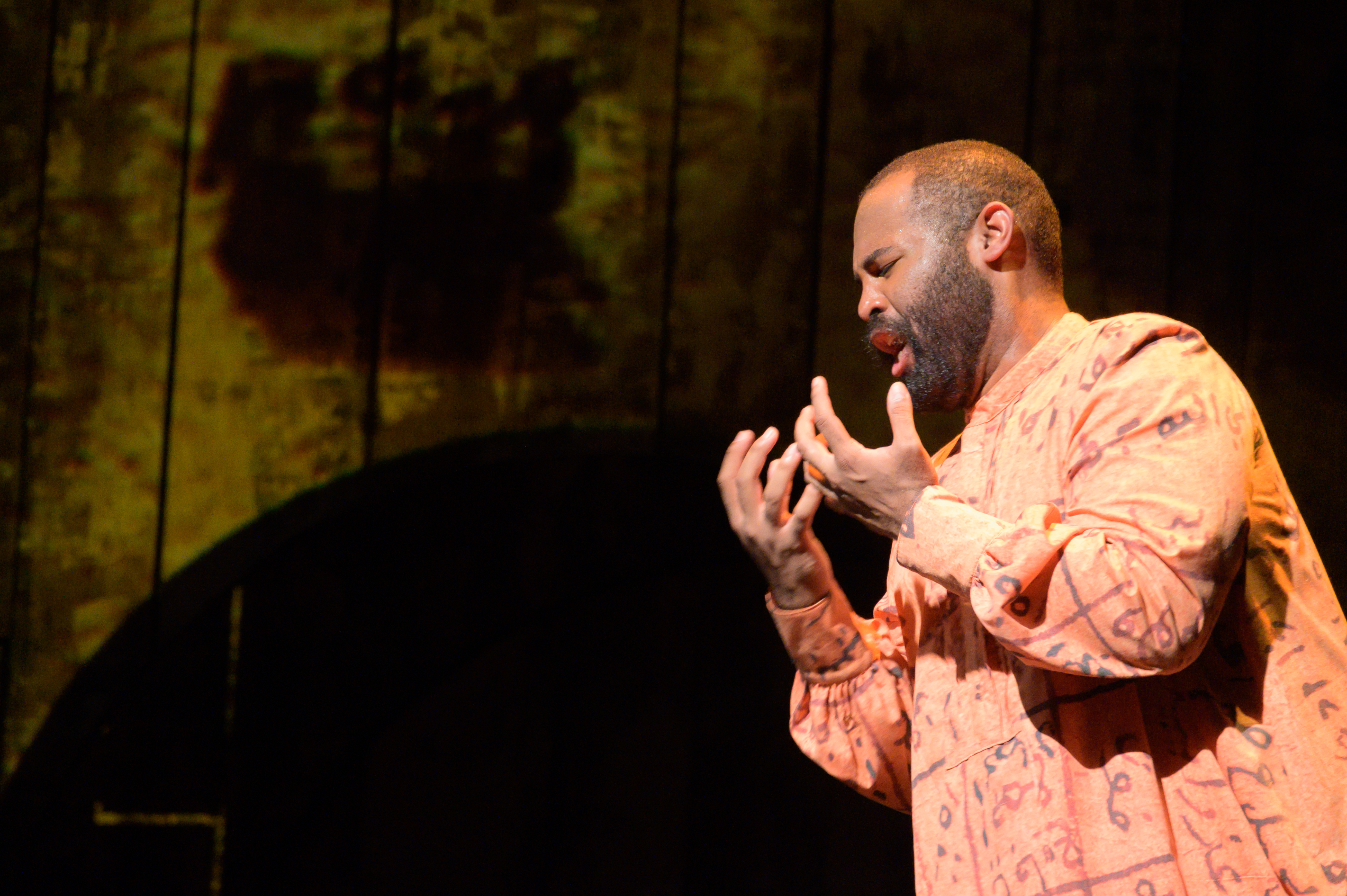
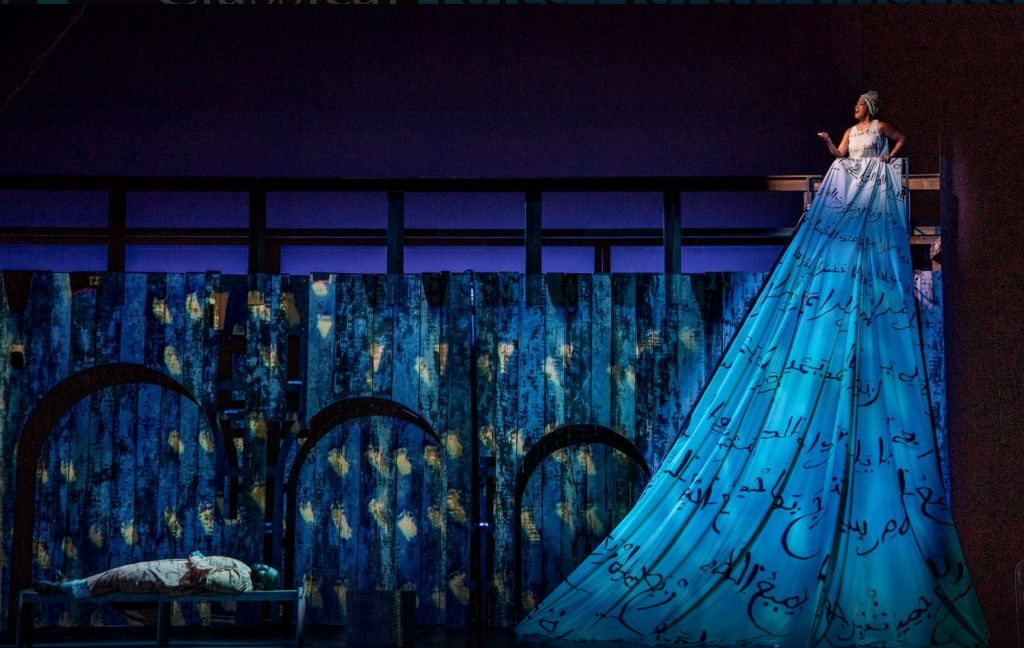
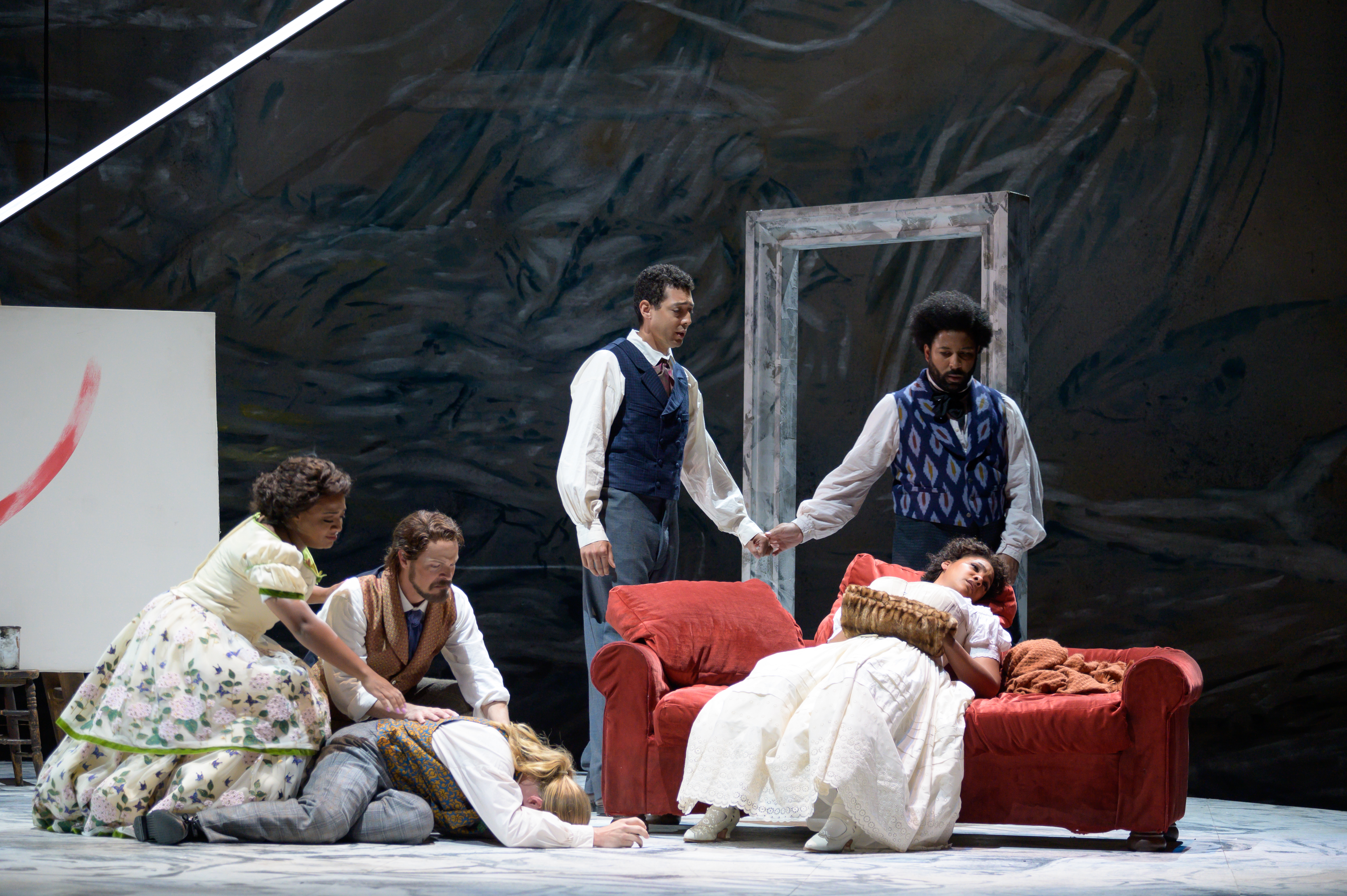


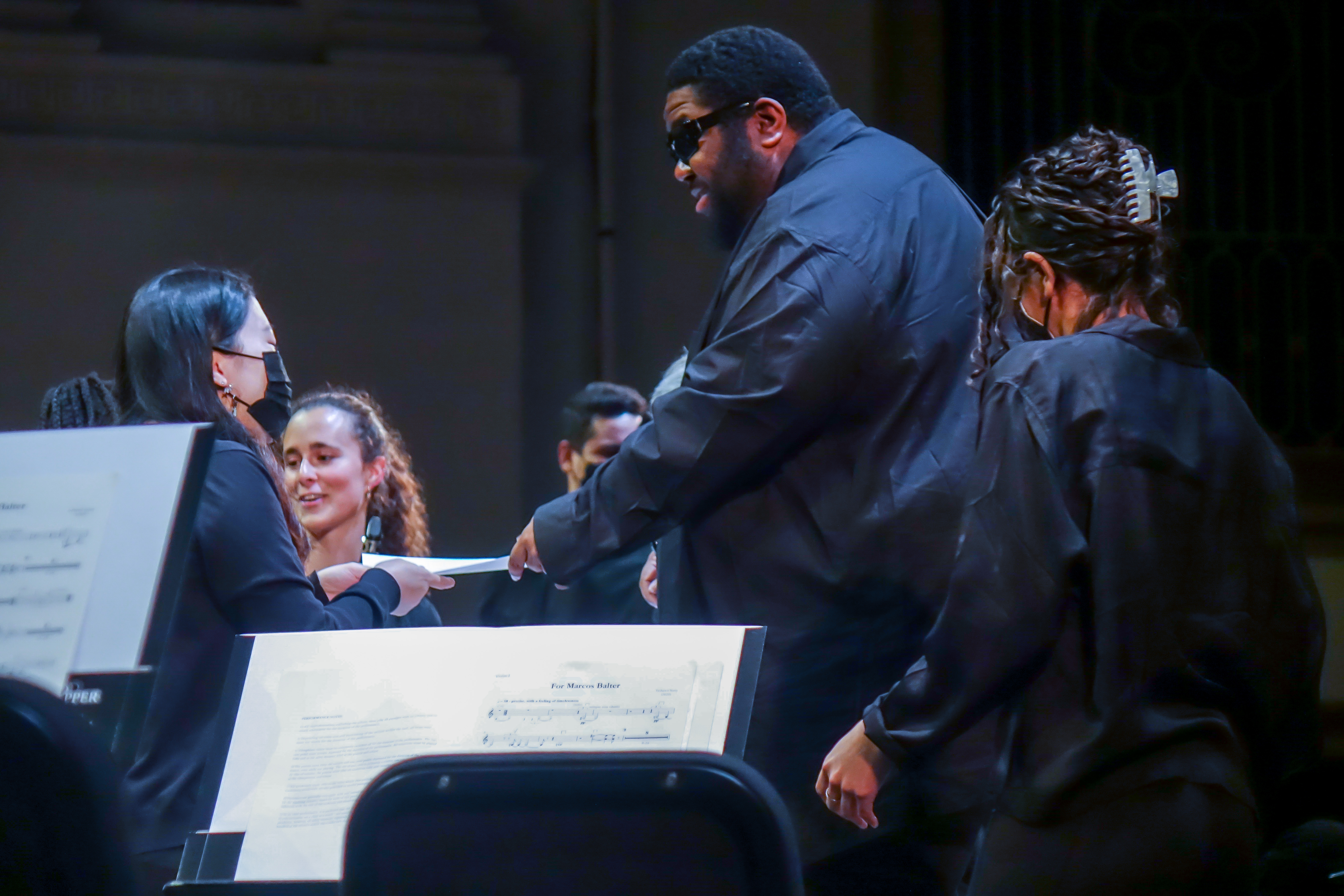

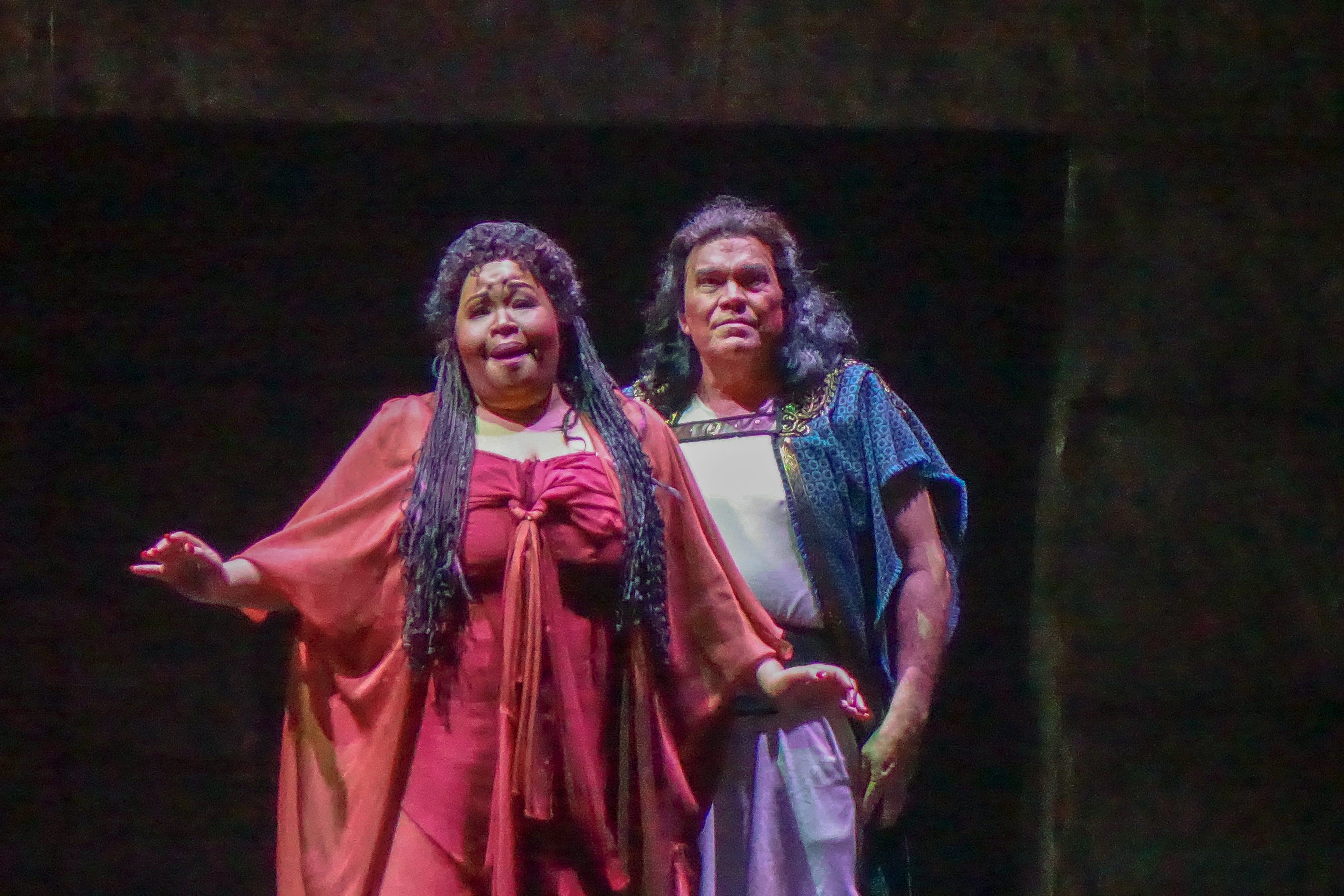

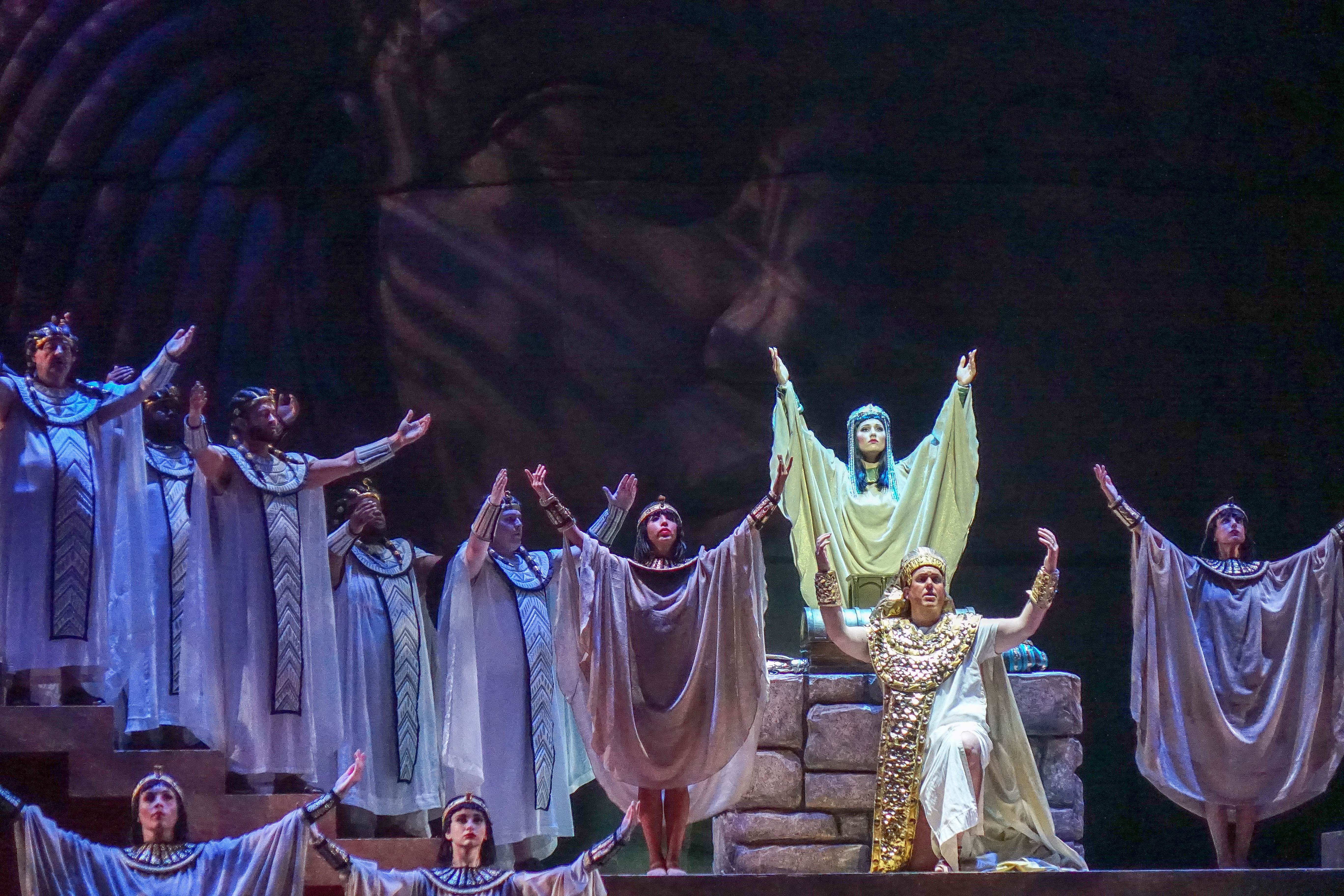
 After intermission, both Slack and Rawls ascended to loftier levels, achieving parity with Martin. I was frankly surprised – and delighted – by how beautifully Slack sang the iconic “O patria mia” aria in the pivotal nocturnal scene in front of the Temple of Isis. The missing chemistry between Slack and Rawls then arrived with such a rush that it seemed like Aïda might forget to coax Radames into divulging his key military secret to the eavesdropping Amonasro. Martin and Rucker helped this denouement to crackle with tension, though Rucker wasn’t quite as imperious and intimidating as he was in 2013.
 So the unique two-tiered finale played really well, with all three principals in top form. Rawls and Slack, buried alive as the lovers, consoled each other sweetly in their love duet as Aïda managed to sneak into the tomb and share Radames’s punishment for betraying his country. Meanwhile, Martin completed Amneris’s graceful arc above them, remorseful for triggering the downfalls of her beloved and her rival, wishing both of them peace.