Review: Bigger Names Are Invading Our Smaller, Club-Sized Venues, Bringing an Overdue World-Class Vibe
By Perry Tannenbaum

Singer-songwriter Kat Edmonson has performed on Austin City Limits, A Prairie Home Companion, and Letterman. She has sung at Carnegie Hall, the Montreux Jazz Festival, and Blue Note in Japan. Her 2020 concept album, Dreamers Do, topped Billboard’s traditional jazz chart, and she is not a stranger to the Southeast. Edmonson was a featured performer at Spoleto Festival USA in 2014, and I caught her gig at Savannah Music Festival in the spring of 2019.
Amazingly enough, Edmonson has been to the QC on numerous occasions – but not with her band.
“My greatest link to Charlotte,” she tells me in an exclusive interview, “is that my childhood friend – best friend – lives there, and I’ve often been to Charlotte to visit her. But not for any other reason, and I haven’t been to any jazz clubs in town.”
That is changing in a big way. Offering two sets on April 9, Edmonson is near the front of a grand parade of big-name jazz artists who will be marching in and out of the Middle C Jazz Club, playing to newly unmasked, capacity-sized audiences, newly liberated from the pandemic.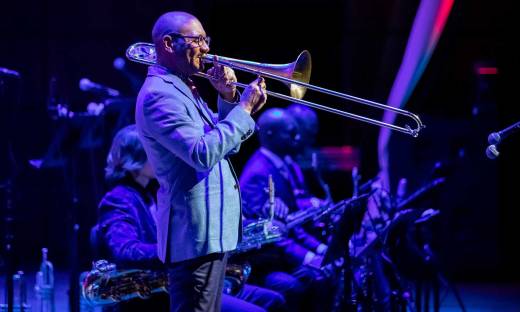
We’ve seen some of these players, like Kirk Whalum and Delfeayo Marsalis, before – at special events dating back to JazzCharlotte in the late ‘80s and, more recently, at Charlotte Jazz Festivals presented by Blumenthal Performing Arts. Jazz fans had to satisfy themselves with hoping that these special events, held indoors and outdoors at large venues, would return to us annually with such groovy cargo as Diane Schuur, Dave Brubeck, the Harper Brothers, Maria Muldaur, Renée Marie, and the Jazz @ Lincoln Center Orchestra.
Now the big names are playing our smaller venues, creating a more intimate jazz club vibe. Headliners following in Edmonson’s wake at Middle C include Nicole Henry (April 15-16), Joey DeFrancesco (May 20), Jonathan Butler (June 3-4), Delfeayo Marsalis & The Uptown Jazz Orchestra (June 10), Kirk Whalum (July 15-16), Jeff Kashiwa (July 22), Jeff Lorber (September 9-10), and Euge Groove (November 11-12).
“We just had Gerald Albright, and then we just had Norman Brown, and they sold out,” says Middle C club owner Larry Farber. “We’ve got Brubeck Brothers (April 7) coming in, I mean it’s been really, really good. February and March have been our two biggest months since we opened in November 2019. Knock on wood, we’re on an upward trajectory.”
And in case you hadn’t noticed, the Jazz Room just announced their Season 16 – and boy, have they ever upped their game, bringing in such luminaries as Donald Harrison (April 8-9), Emmet Cohen (May 20-21), Jeff Tain Watts (July 8-9), and Pedrito Martinez (September 2-3) to their monthly series at the Blumenthal’s Stage Door Theater.
A couple of these headliners, Henry and Martinez, can claim recordings that have now lingered for at least two months on Jazz Week’s chart of most-played albums on jazz radio, both peaking in the top 5; and a couple more, DeFrancesco and Cohen, are in the cumulative top 50 for the past year, with Joey D at the top of the heap.
Who could have imagined such a bounty of talent heading our way, such an upward trajectory, and such jazz jubilation just a year ago? We were smack in the middle of our COVID tribulations, more spikes in illnesses and deaths still on the horizon, with so many businesses around the country gasping for air.
“We were off and flying before the pandemic,” Farber recalls. “I think the pandemic became a catalyst. Because people then had to wait months and years to get back out, so I think now all this pent-up demand, in addition to what we already knew was going to be a demand in the market, gave us a double boost, and it’s really propelled us in a big way.”
Everywhere, artists and presenters were in survival mode after the abrupt shutdowns of March 2020. Farber and his business partners, including sons Reid and Adam, were forced to shut down completely for two months. When Middle C reopened in May, it was because they were the only jazz venue in town that could be classified as a restaurant.
Even so, state guidelines only allowed the Farbers to seat 60-70 patrons, a far cry from the inventory of 170-180 tickets they’re pre-selling now for their highest-profile attractions. To keep their doors open, they would have to delay booking big-name talent – and defer their dream of giving Charlotte the world-class jazz club they felt we deserved.
Edmonson, meanwhile, had been in the middle of a 40-city tour promoting Dreamers Do when everything shut down. Her hibernation was even more stifling professionally, but eventually, she was able to open an amazing window to bridge the gulf between the petite singer and her devoted fans. It was a weekly podcast, The Kat Edmonson Show, and it ultimately logged 66 episodes through last December, when her valedictory Christmas show, tethered to her latest Christmas album, drew an arena-sized crowd of 12,000 viewers.
With a barebones production originating in her living room in front of a cellphone camera, Edmonson found that her show not only sustained her connection with her fans, it actually strengthened it. The new medium offered unexpected advantages.
“I was able to reach them more readily and more regularly than I did even when I toured!” Edmonson exults. “On a tour, I go to one place and maybe I’ll come back two years later. In this case, I was able to reach my people once a week for an hour and a half.”
If you watch any of the archived episodes on YouTube, you can see Kat’s secret sauce working in real-frozen-replayable time. Many, many of the people tuning in to her show leave their marks in a column of chats, varying in length, that frequently scroll down the right side of the screen while Edmonson sings – and Kat interacts with these texts, acknowledging her followers by name and city, responding randomly, between songs and in the middle of them, to people who are new to the show and to those she recognizes from previous powwows.
“We all got to know one another in a really wonderful way, and eventually we were all remarking about how much it was like going to camp or something – like a campfire!” Edmonson recalls. “We would look forward to the Sunday meeting where we could all reconvene and talk about our week, on what’s ahead, and what was going on in our lives. The group that would tune in ultimately voted to name themselves because they felt like we were all part of a club. They suggested different names, and they voted for ‘The Dreamers.’ So when I go out now to play shows, people come up and say, ‘I’m a Dreamer!’ That’s really fun.”
Since Dreamers is largely a collection of Disney songs from the past century, obviously dating back all the way to Snow White (1937), maybe the Edmonson Show groupies should have named themselves the Kat-keteers, like Mickey Mouse Club members of yesteryear. Edmonson certainly hasn’t forgotten her fans’ loyalty, for in her mind, she is picking up the Dreamers Do tour that was abruptly halted two years ago. Dreamers who show up at 300 S. Brevard Street for one of Edmonson’s Middle C sets will hear plenty from that beloved album that has bonded them.
And they’ll be in two clubs at the same time. Watching multiple dreams come true.
Singing in a karaoke-like format to pre-recorded tracks set down by her long-time pianist Roy Dunlap, schmoozing between songs about her upcoming plans, dressed down and sporting a headset, Edmonson would often look away from viewers of The Kat Edmonson Show to catch up with her chat feed, taking requests as well as names, changing her prepared songlist on-the-fly. Definitely a funky, low-budget look and feel.
Farber didn’t have the luxury of taking a low-budget road during Middle C’s semi-hibernation. A Charlotte native, his jazz memories go all the way back to Jonathan’s Jazz Cellar, which pre-dated the brief flowering of JazzCharlotte. After witnessing the recent success of the QC’s monthly jazz series, the Jazz Room series piloted by Lonnie Davis and the Jazz at the Bechtler Museum series led by saxophonist Ziad Rabie, Farber felt that Charlotte, a world-class city, deserved a full-time, for-profit, seven-shows-a-week jazz venue.
That was his bucket-list dream. Even before the pandemic, Farber sensed sufficient interest around town to make it all come true.
“We invested over $1 million to bring the best venue, the best sound system, and to make this all about music,” he says. “I’m lucky to have an investor group that’s not interested in seeking an 18 to 20% return as much as building for the future. And we’re doing that by reinvesting our profits in the talent.”
The model that the Farbers are activating is a schedule that will bring us 60-70% regional talent and 30-40% big names. So we’re probably talking 2-3 shows with big names in the weekly lineup of seven ticketed events. Like Edmonson, Middle C found that livestreaming was a useful tool in coping with COVID restrictions, opening a window that could potentially yield new recruits to their music.
“Best free marketing tool ever!” he quips.
As a revenue stream, streaming is only a trickle according to Farber, but it will provide fans of the big names a fresh avenue of access when tables and booths sell out. Middle C has been more preoccupied with enhancing the experience on site at the tables and making it appealing to a wider audience. Farber boasts a great bar menu and estimates 20 small plates and desserts to choose from on his menu – about triple what was being served before the 2020 shutdown.
That’s targeting a vibe like such Manhattan hotspots as Dizzy’s, the Blue Note, and Smoke – and not like the legendary Village Vanguard, the quintessential jazz cellar. Audacious and enterprising.
“What we’ve brought to Charlotte is unique,” Farber says, “and I think we’ve now become one of the biggest jazz names on the East Coast.”

Edmonson has also gone beyond podcasting in widening her horizons over the past two years. Most of the songs she sang on her podcasts were originals she hasn’t recorded yet. There are drawers full of notebooks yet to be mined, and the songwriter claims to have written her first song at the age of nine, giving her about 28 years to pad her inventory. Some of those song will be in the mix at Middle C, along with others from Dreamers Do and recordings she made before 2020.
Kat dramatically broke out of her pop princess, Disney jazzer, and podcasting queen cocoons by appearing recently off-off-Broadway in The Hang, an edgy Taylor Mac musical, drawing reviews that parallel her past recording and concert triumphs. Aside from a year of study under the live oaks at the College of Charleston, Edmonson also graduated after two years at The William Esper Studio in New York City, where she studied the Meisner acting method.
So yes, Edmonson is eyeing possible opportunities in TV, film, and even straight plays. But no, when her style is described as absorbing the recordings of Blossom Dearie, Billie Holiday, or even country crooners like Patsy Cline, expect Edmonson to repudiate any such artifice – and to push back a little if you try to pigeonhole her as a jazz singer.
“It’s just me,” she says when accused of a persona. “I know that I’m forthcoming. I can be disarming. I know that about me. I come in this very petite package. I would seem demure, but I am actually very straightforward and opinionated, and I think I affect people in that way. Meanwhile, quite friendly. And I don’t mince words! I say what I mean, and I sing what I mean. Nothing ambiguous. You know, when I meet someone, I like to look them in the eye, and I think I perform that way.”
Yet after watching a full Kat podcast and speaking with her for over 40 minutes, I was able to find a label that Edmonson allowed to stick.
“Do you want to be Peter Pan someday on stage?”
“Oh, I’d love it!” she instantly exclaimed. “Yes, there is no mistaking – and incidentally, I’ll be performing a song from Peter Pan in my set! You know, in the play I was recently in, I was cast as a fairy, and I sort of have that persona. Yes, I do.”


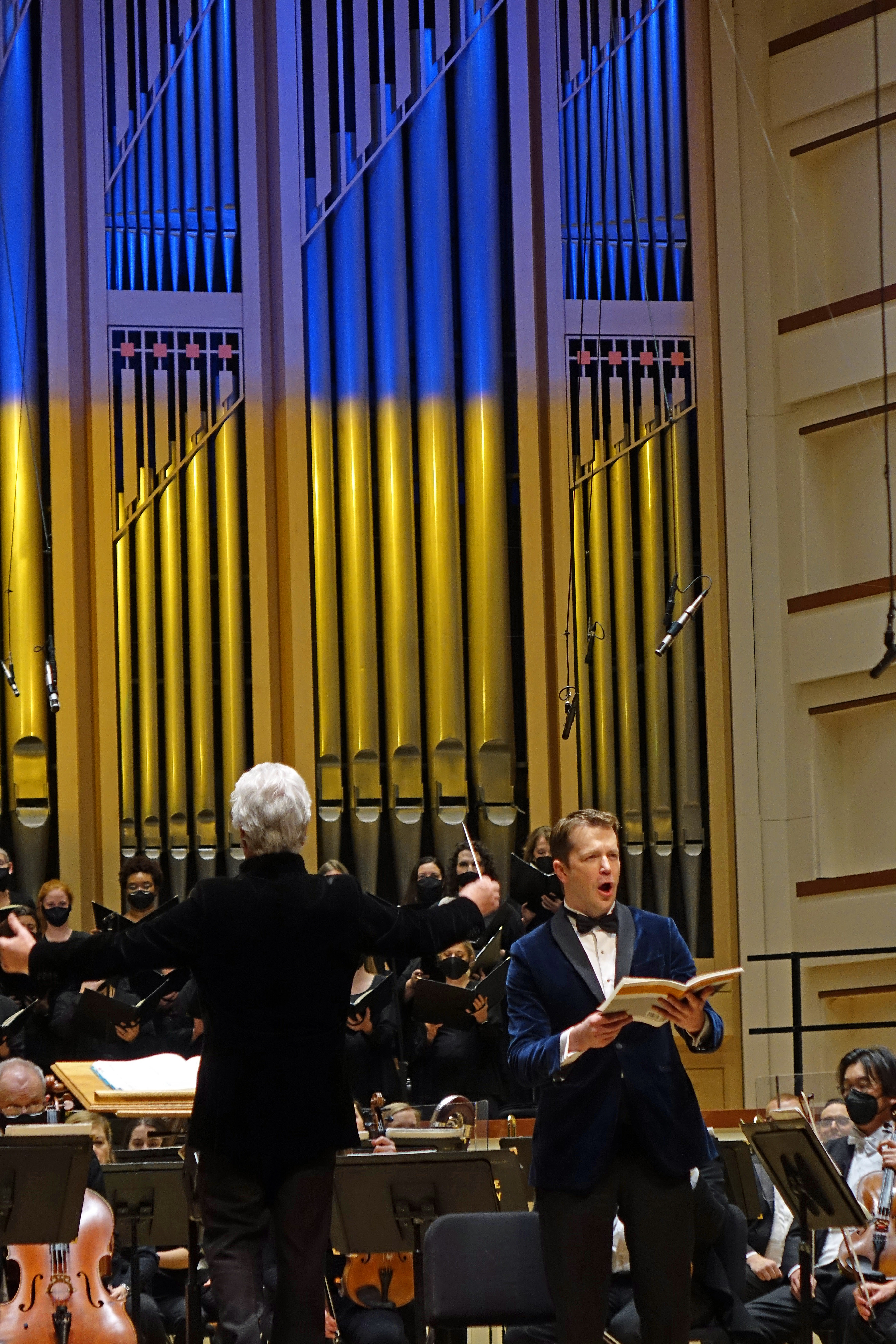
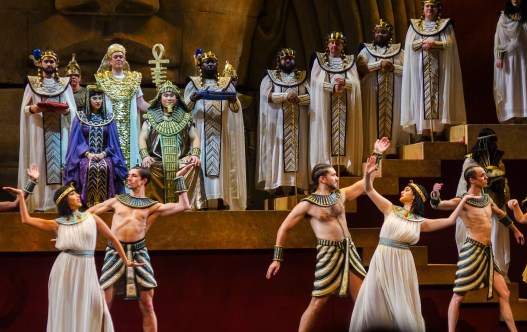 After intermission, both Slack and Rawls ascended to loftier levels, achieving parity with Martin. I was frankly surprised – and delighted – by how beautifully Slack sang the iconic “O patria mia” aria in the pivotal nocturnal scene in front of the Temple of Isis. The missing chemistry between Slack and Rawls then arrived with such a rush that it seemed like Aïda might forget to coax Radames into divulging his key military secret to the eavesdropping Amonasro. Martin and Rucker helped this denouement to crackle with tension, though Rucker wasn’t quite as imperious and intimidating as he was in 2013.
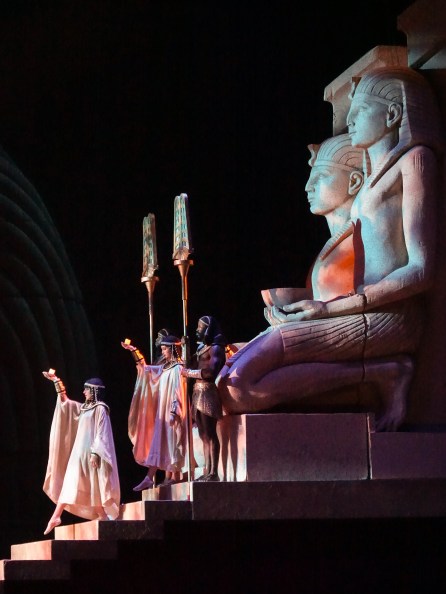 So the unique two-tiered finale played really well, with all three principals in top form. Rawls and Slack, buried alive as the lovers, consoled each other sweetly in their love duet as Aïda managed to sneak into the tomb and share Radames’s punishment for betraying his country. Meanwhile, Martin completed Amneris’s graceful arc above them, remorseful for triggering the downfalls of her beloved and her rival, wishing both of them peace.


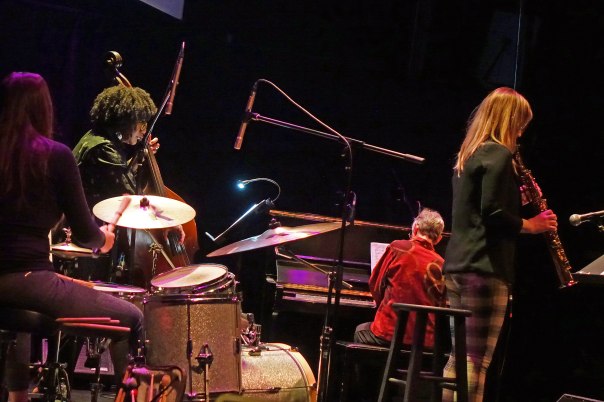
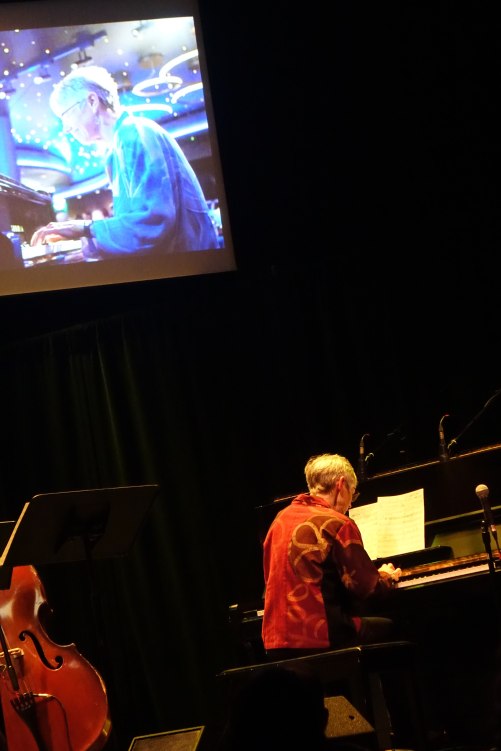
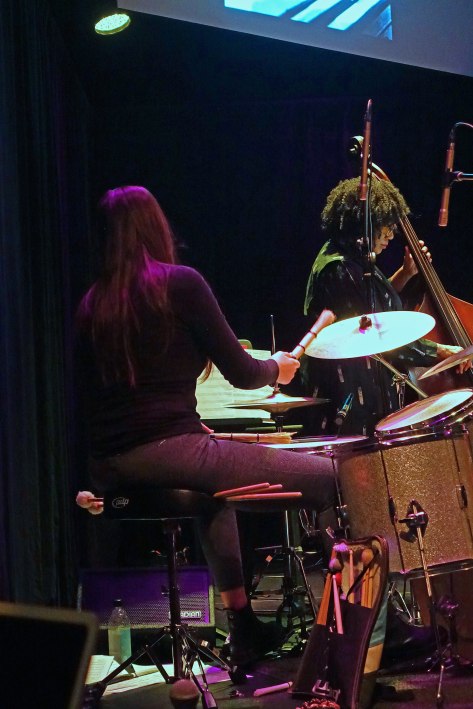






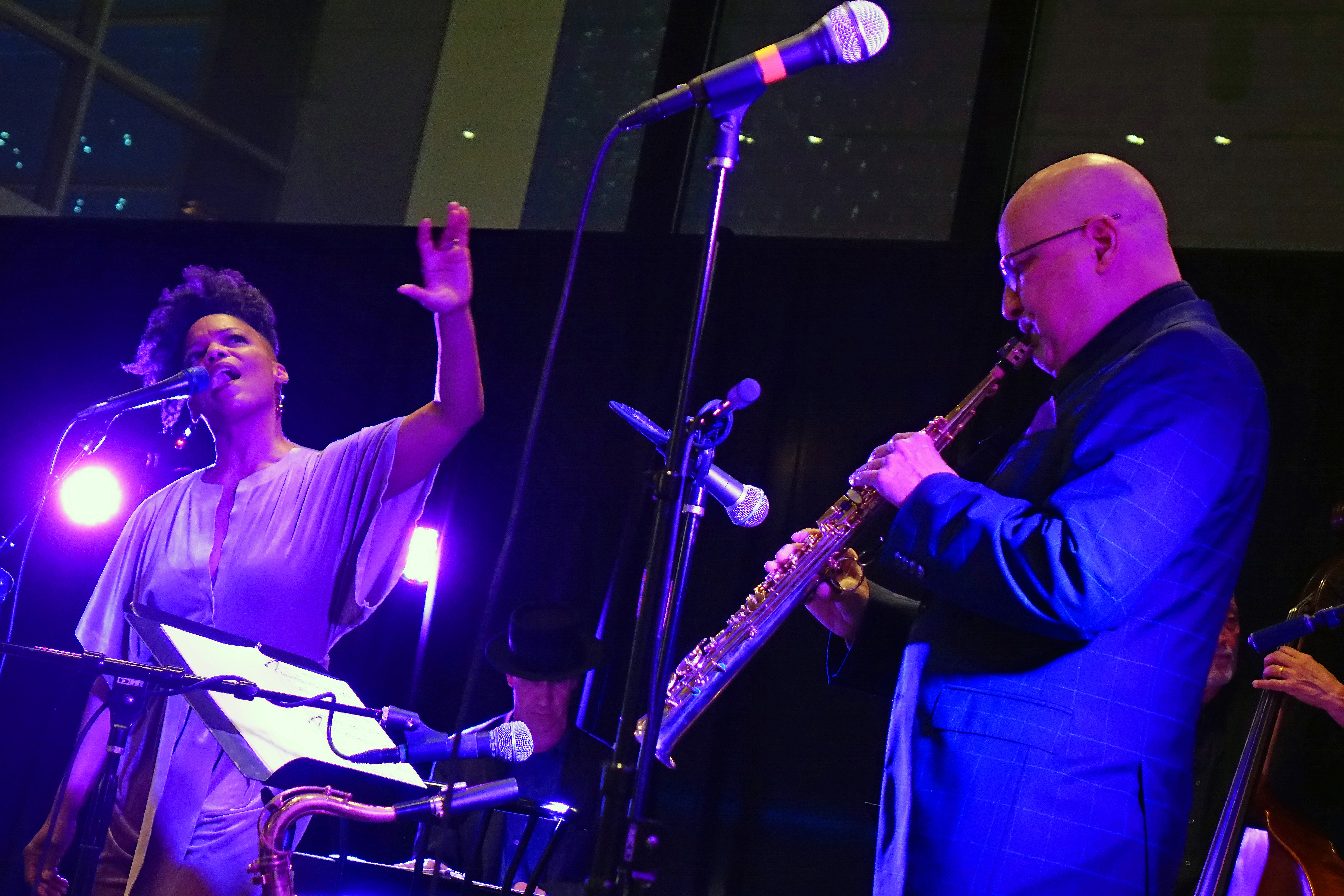
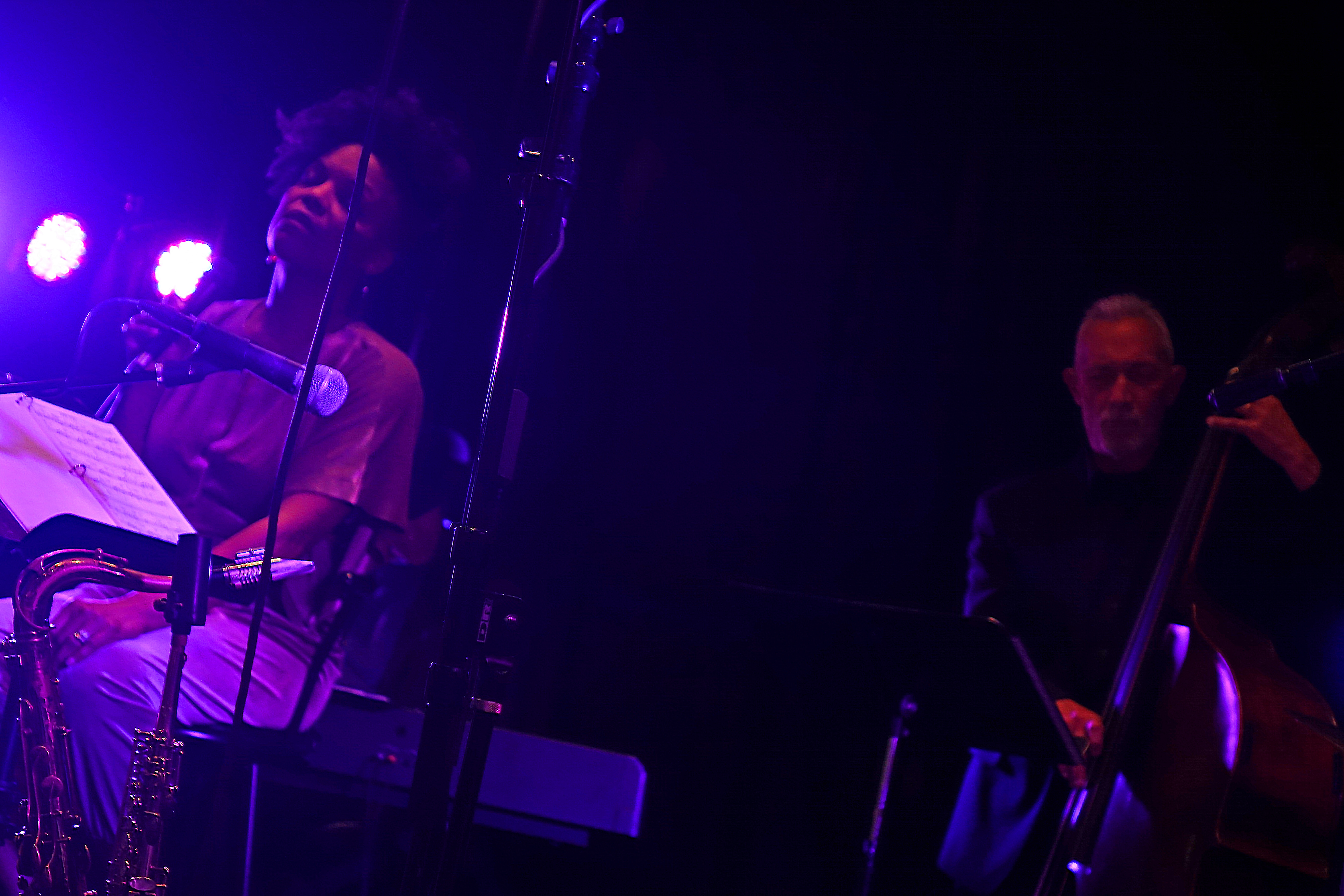 Did the audience give Freelon and bassist Ron Brendle a standing ovation for their deep, mesmerizing duet on Hoagy Carmichael’s “Skylark” because they recalled it fondly from 2017 – or because it was so achingly lovely and poignant now? Also back from 2017 was Charlie Chaplin’s “Smile,” with drummer Al Sergel navigating the transitions back and forth from Freelon’s waltzy 3/4 time to Rabie’s break-loose solo on tenor sax in a fleet 4/4 tempo. These non-lunar reprises were all from Freelon’s Homefree album of 2010, and so was her slowed-down and bluesy “I Feel Pretty,” complete with her 2017 exhortation to the men in the audience to sing out the title line, because we needed to answer for nearly all the ugliness in our world. Notwithstanding #MeToo, probably truer in 2022 than before.





 Art on My Sleeve