Interview: Allison Rhinehardt
By Perry Tannenbaum

After an amazing reading stage production of Angels in America in Matthews this past spring, followed by a regal Diana: The Musical up in NoDa this summer, nothing seemed to be beyond the grasp of Queen City Concerts. Their unique concert style has seemingly been bent to the breaking point, with actors mostly going off-book while more and more scenery and costumes have been layered on.
Yet the upcoming Sunset Boulevard this weekend takes everything that Zachary Tarlton and his sensational company have done so far to an even higher level. Onstage with diva Norma Desmond, her youthful paramour, Joe Gillis, and the legendary Cecil B. DeMille will be a 40-piece orchestra led by Tarlton, the first band of that size to play the full Andrew Lloyd Webber score since the 2017 Broadway revival starring Glenn Close.
“When I got the email out of blue asking to talk about the possibility of me directing it,” says Stuart Spencer, “I did have to read it a couple times before it sunk in.”
It’s a preciously short and intense opportunity for performers and audiences alike. Rehearsals are few and audiences will only get three shots at witnessing this glorious Sunset, perhaps Lloyd Webber’s very best musical. With 40 musicians onstage with his cast, Stuart’s time and space are severely cramped as opening night approaches.
“With fewer rehearsals, I have to be more specific and move faster,” Spencer admits. “A few times, I thought ‘if I had more time, I’d run that again… but we have to keep moving.’ In the end, you have to trust that your actors will do the extra work on their own to keep us moving.”
As Norma, Charlotte diva Allison Rhinehardt will be the performer that Spencer must trust the most. We had this exchange with Rhinehardt about the role, her prep, and the whole giddy experience.

QC Nerve: Is Norma Desmond the role of roles for you, or does the concert format – and the brevity of both the process and the run – dampen your enthusiasm?
Allison Rhinehardt: Norma Desmond isn’t just the role of a lifetime, it’s the role of a generation. I had never even considered taking on this role as a possibility in my life, so spending these last several weeks studying Norma, singing her iconic songs, retorting: “I am big, it’s the pictures that got small,” and watching this entire cast bring 1,000% has been both my honor and sheer delight. I think you will find this concert format to be different from past QC Concerts. This is fully staged and costumed with set pieces and props. Everyone is off-book, which was definitely a feat for some of us! Would I like more time? Absolutely. But not just for me. This show is something incredibly special. I would love to be able to share it with as many people as possible.
What in your mind makes Norma unique?
I love Norma Desmond. She is wonderfully complex. She is bursting with passion, and despite her grandeur, there is insecurity and need for validation. As a working actor in Charlotte, one of my gigs is working as a simulated patient for Atrium. This program gives med students and nursing students the opportunity to practice in a safe environment of simulated situations to help with diagnosis and patient care. One of my regular characters is exhibiting signs of mania with bipolar disorder. The character is undiagnosed and just living her life at this point. I am not a doctor and certainly wouldn’t try to diagnose anyone, but I see a lot of similarities in both characters.
Norma’s emotions swing wildly between elation and despair. She clings to “what once was” instead of forging ahead during a time of big change. Falling in [a perverted co-dependent version of] love with Joe, is just the current obsession that the audience witnesses. You get to have a 6-month living room view of a decades-long “normal.”
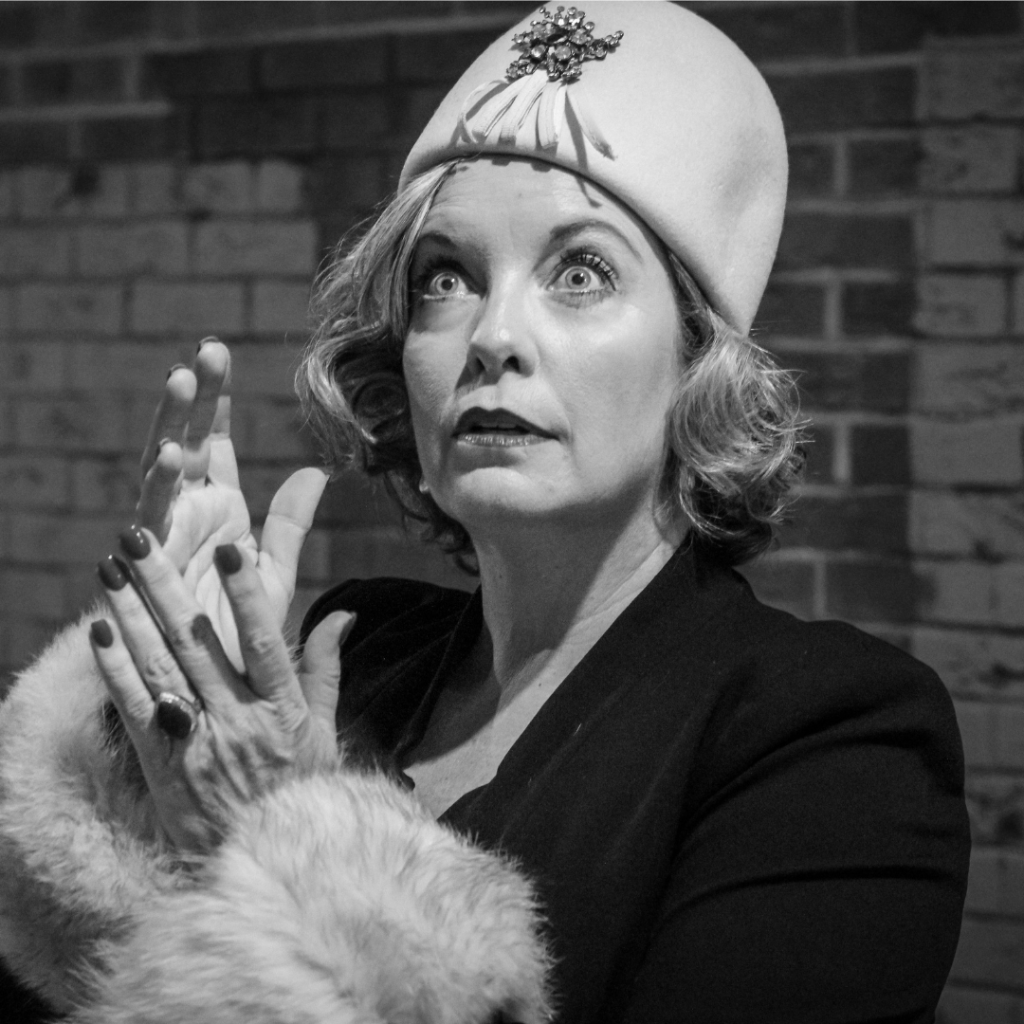
If you’ve experienced the performances of Patti LuPone, Glenn Close, or Betty Buckley in the role, is it a struggle not to be intimidated by the challenge – and to resist emulating at least one of them?
I have studied A LOT since being cast in this iconic role. I read an interesting book (Close-Up on Sunset Boulevard by Sam Staggs) which was a fascinating retrospective on the darkness of Hollywood dreams and the actresses that may have inspired the character Norma Desmond. I also had a trip to London the beginning of October, so I went to see the reimagined Sunset Boulevard starring Nicole Scherzinger in the West End (a whole separate interview, haha!).
Naturally, as a musical theatre person, I have always adored Betty Buckley, Glenn Close, and Patti LuPone (I saw her when I was child in Evita!). It’s impossible not to be influenced by these Broadway divas in general, but I have made a conscious effort to make my performance my own and to not rely on those before me. You may find a vocal nod to Stephanie J. Block or Elaine Paige, but Norma Desmond is such a rich and complex character, she deserves genuine authenticity which requires one to be fully immersed and present in the moment.
Am I intimidated? A month ago I would have said “intimidated” wasn’t a strong enough word (Zack and Stuart can tell you when I got the casting offer, I emailed back making sure they knew it was me they had sent it to). But now, I almost feel like I’ve joined a sisterhood of strong women telling a tragically beautiful story…or is it beautifully tragic? Am I still intimidated? Of course. I always am with any role honestly. If you’re not a bit afraid, then there’s no risk, nothing to fight for, and you’ve lost your edge.
Is the point for you to penetrate beyond the musical divas and Gloria Swanson to your own authentic Norma Desmond, or must you stop at Gloria’s iconic screen performance, obviously Lloyd Weber’s inspiration, and transfuse Swanson’s screen Norma into a fresh musical Norma?
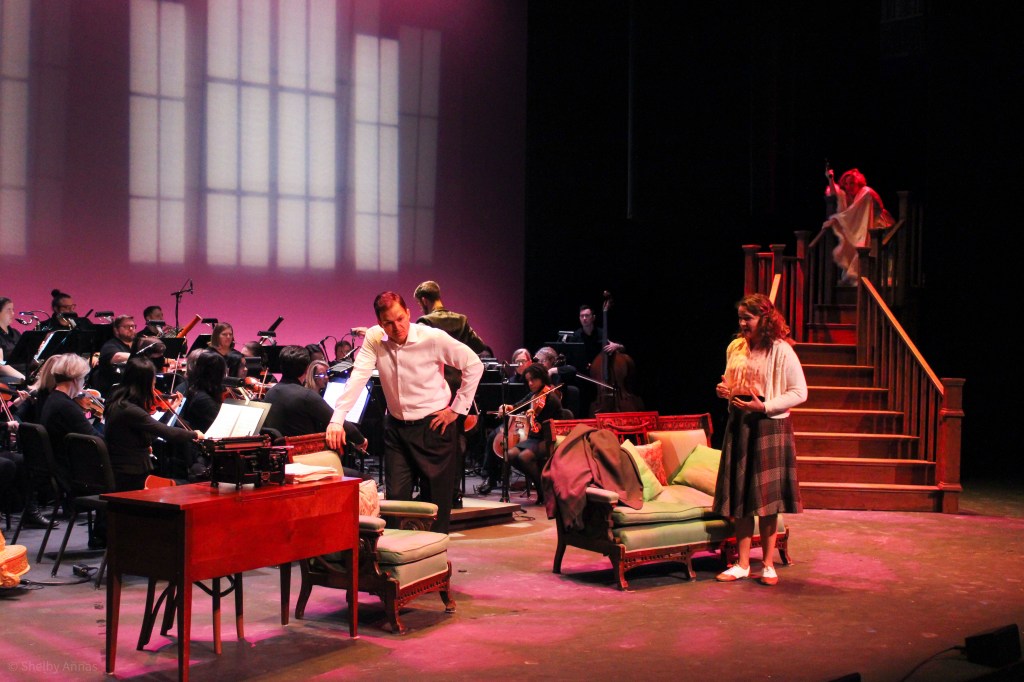
I think it’s important to understand that while this story is on a grand scale, it is not a fairytale. The movie came out in 1950, yet it’s a tale as old as time, still relevant today. I remember distinctly the moment I was made aware that I was no longer in consideration for the ingénue; that I had moved on to the more matronly roles. It hurt. A LOT. I myself struggled with identity. Who I had always been, I no longer was, and never would be again. There were still roles I wanted to play, but had somehow “aged out of.”
As a woman in her 50s, who has been in the business for nearly 5 decades and is now looking for where I fit, I absolutely empathize with Norma. I understand her. I love Gloria Swanson’s embodiment in the movie. I love Glenn Close’s embodiment in the musical. My goal is to bring the story to life through Andrew Lloyd Webber’s words and music having not just my own decades of experiences, but also having whispers with me of all the Glorias, Glenns, Bettys, Diahanns, Pattis, Stephanies, Elaines…all the actresses “of a certain age” in my life.
What excites, frustrates, or frightens you about working in the concert stage format? How much will you be able to abandon script and score to become Norma?
What I love about the concert format that Zack has created is the trust between the creative team and the actors. We may only have a handful of official rehearsals, but that doesn’t mean work is not being done outside that time. The entire cast received the script before rehearsals began. On day one of rehearsal we were running and staging songs because everyone had done their homework, everyone came in knowing the music.
Trusting the actors to do what good actors do is what makes it work. While my script and score have been an extension of my right arm for weeks now…it goes everywhere I go and is currently sitting right next to my laptop…I’ve been off-book for at least a couple of weeks and able to really concentrate on nuance. Of course moving into the Booth on Wednesday and gaining a 40-piece orchestra on the stage will present new logistical challenges, but that is par for the course in theatre. I think theatre folk roll with the punches better than most. As Little Red so aptly put it, I’m “excited and scared.”

More rehearsal time would help, right?
More rehearsal time for a show this size certainly wouldn’t hurt, though I firmly believe things can (and often are) over rehearsed. I wish we could run the show for more than 3 performances over 2 days after putting so much heart and hard work into it. We have to work within the reality many theatre groups in Charlotte face. Rehearsal space takes money. Performance space takes money. Charlotte is a vibrant city with an incredible network of talented artists. Support and funding for the arts in Charlotte is imperative to the community.
Fun fact: This 40-piece symphonic orchestration production is only the 2nd of its kind in the country with the first being the 2017 Broadway revival with Glenn Close. So New York’s Broadway and now Charlotte, NC? That is cool. The Booth holds about 400 seats, so over our three performances, 1,200 people in a city of nearly 1 million will get to see Sunset Boulevard. That is Zachary Tarlton and QC Concerts’ gift to the city of Charlotte…

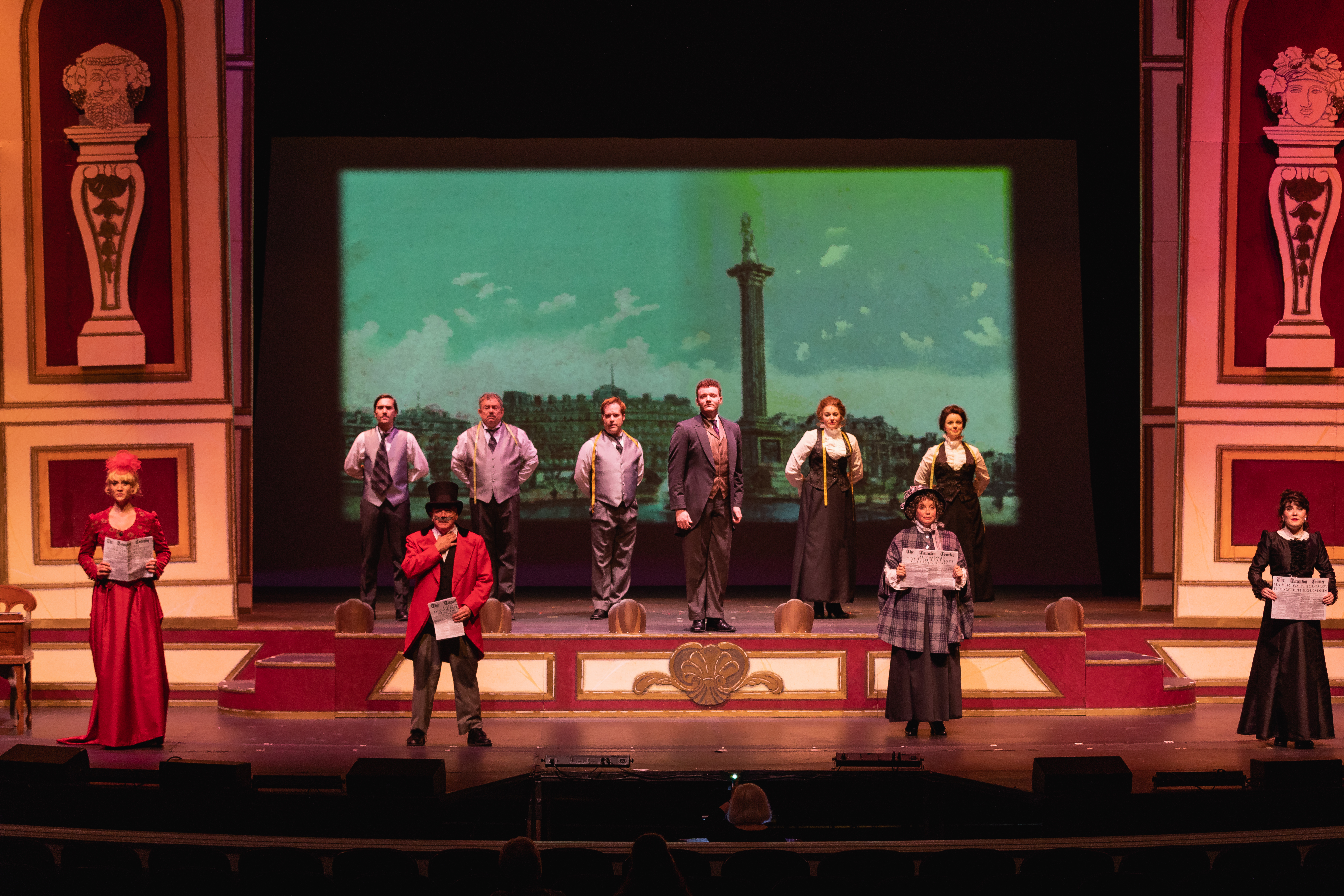
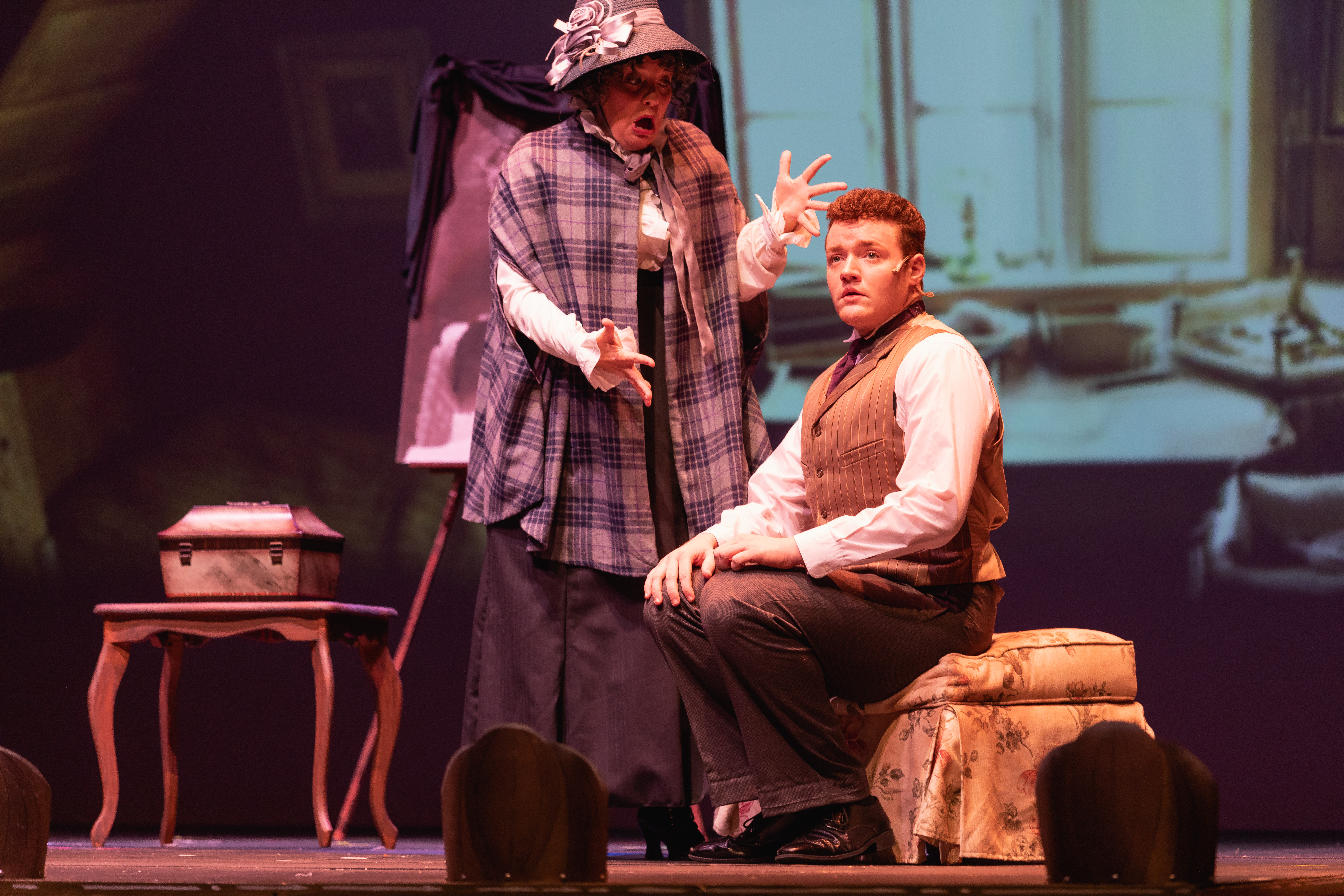
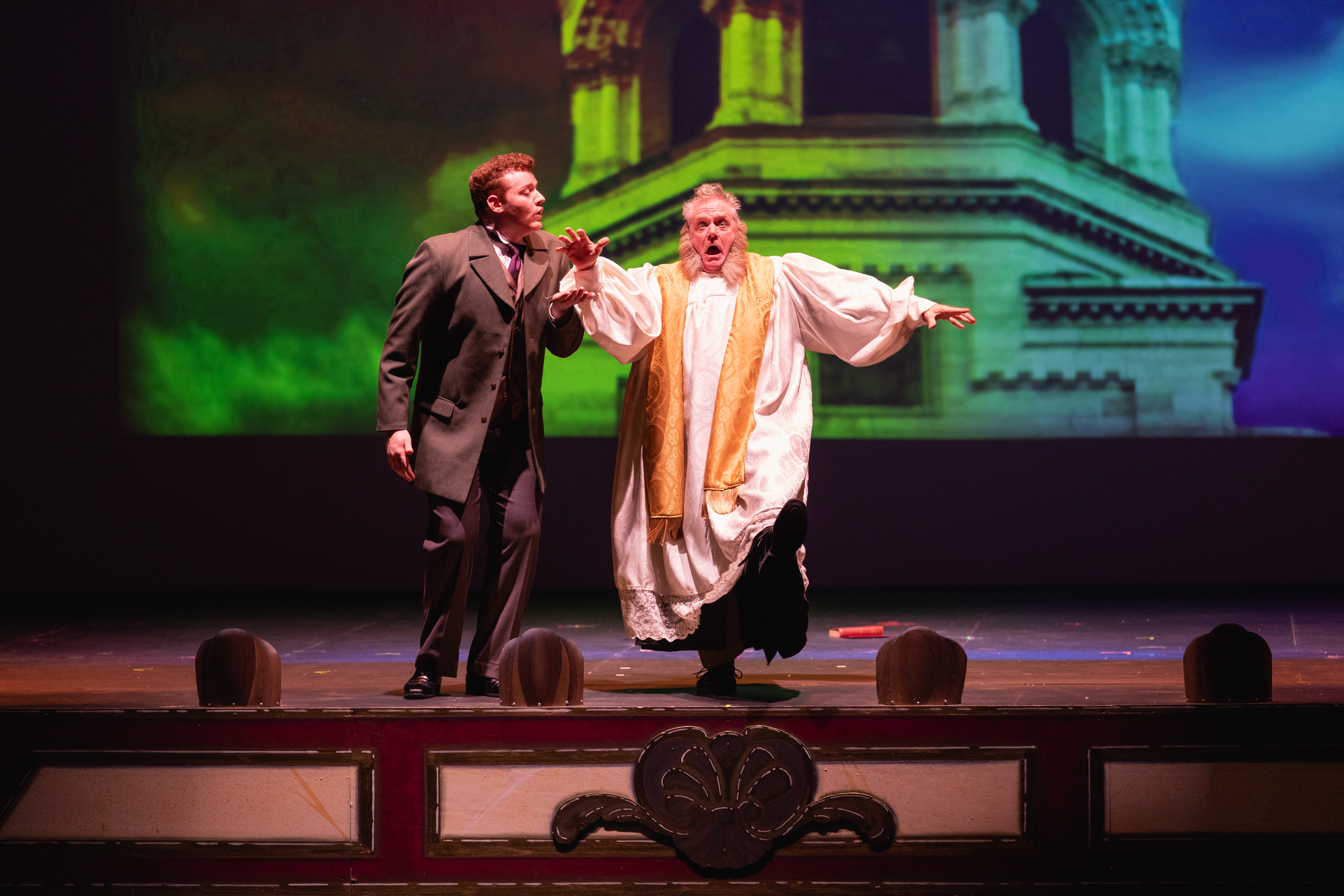
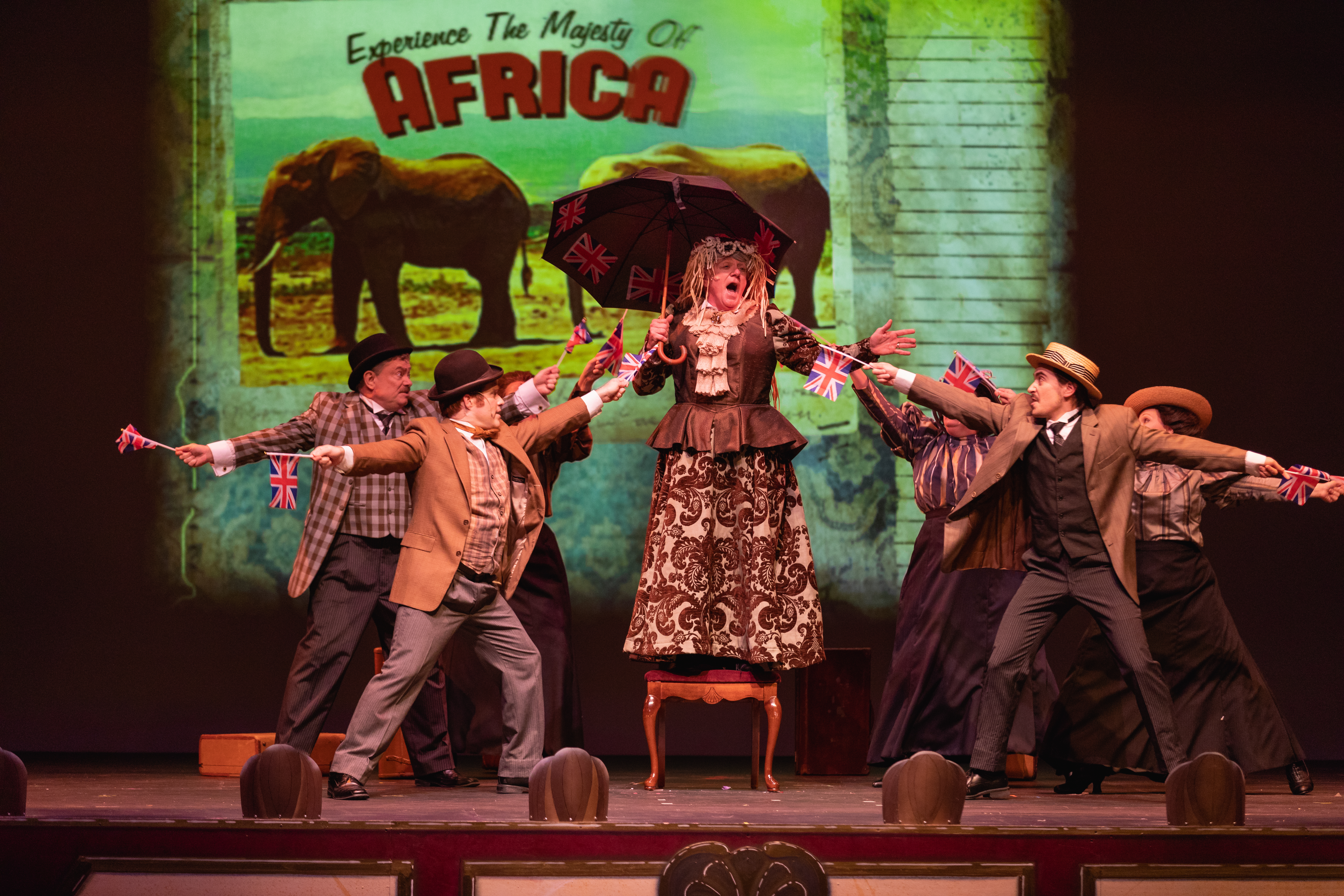
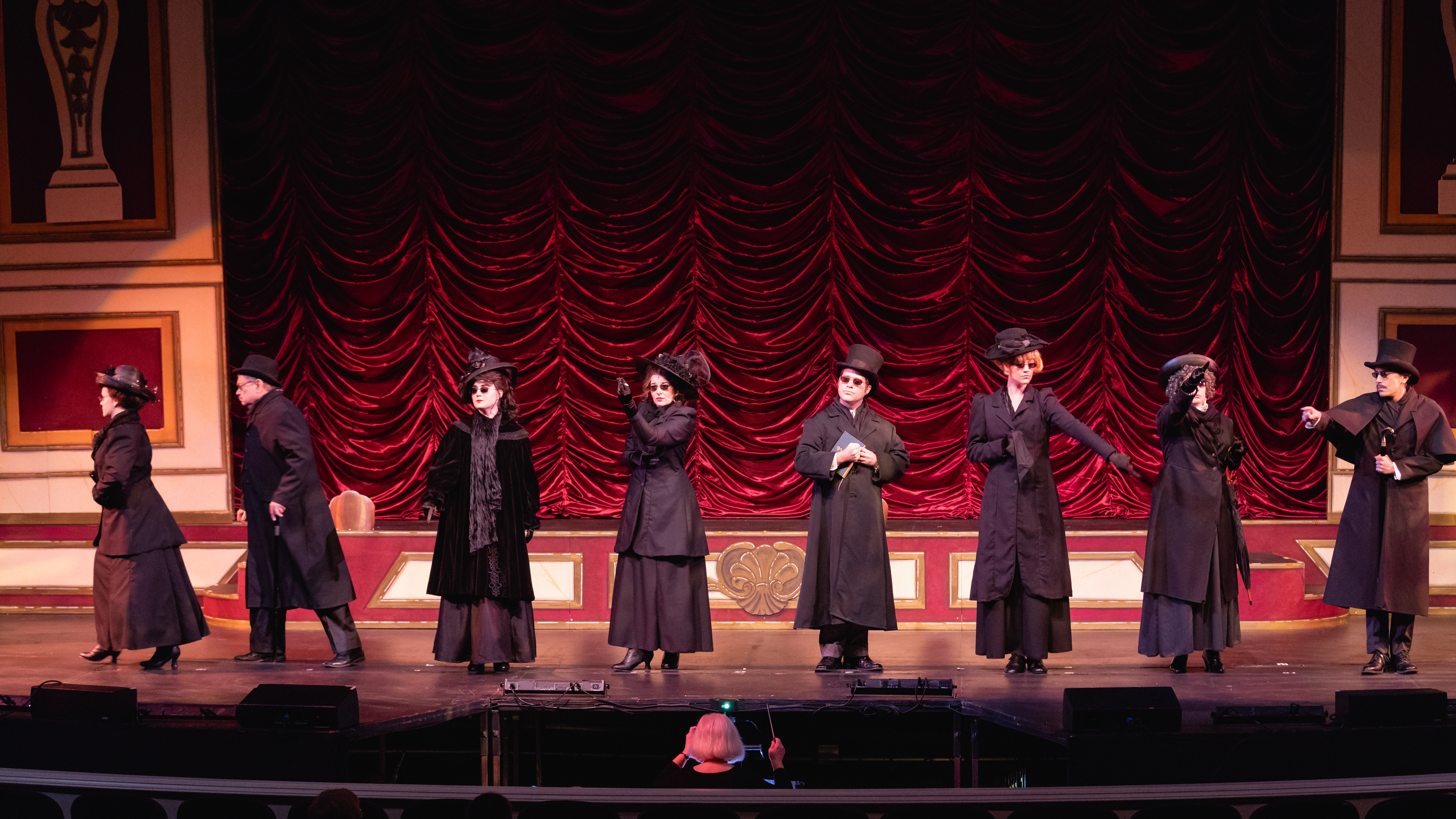 My best guess is that Freedman wished to double-underline the idea that we were watching a comedy as Monty murderously ploughed through most of the eight D’Ysquiths who stood in his path to becoming the next Earl of Highhurst. Before we even see Monty at his desk in prison, writing the confessional memoirs that will flash us back to the story of his crime spree, an ensemble dressed in funereal black advises us to depart immediately if we don’t have the stomach for the carnage to come. Whether intentionally or not, Hollis further shields us from the notion that Monty is a heartless murderer, aided chiefly by Kevin Roberge playing all the D’Ysquiths that Monty knocks off.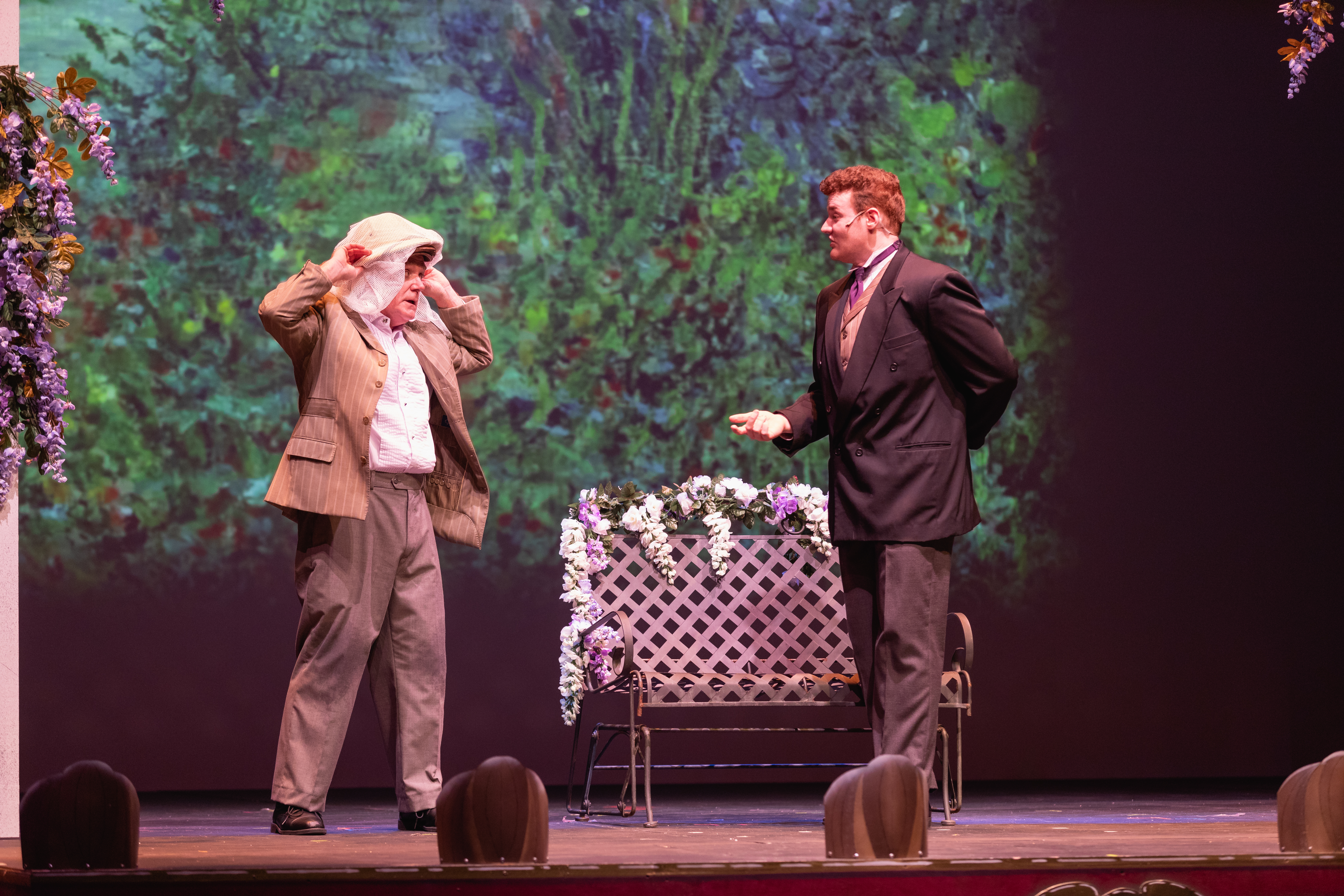


 Art on My Sleeve